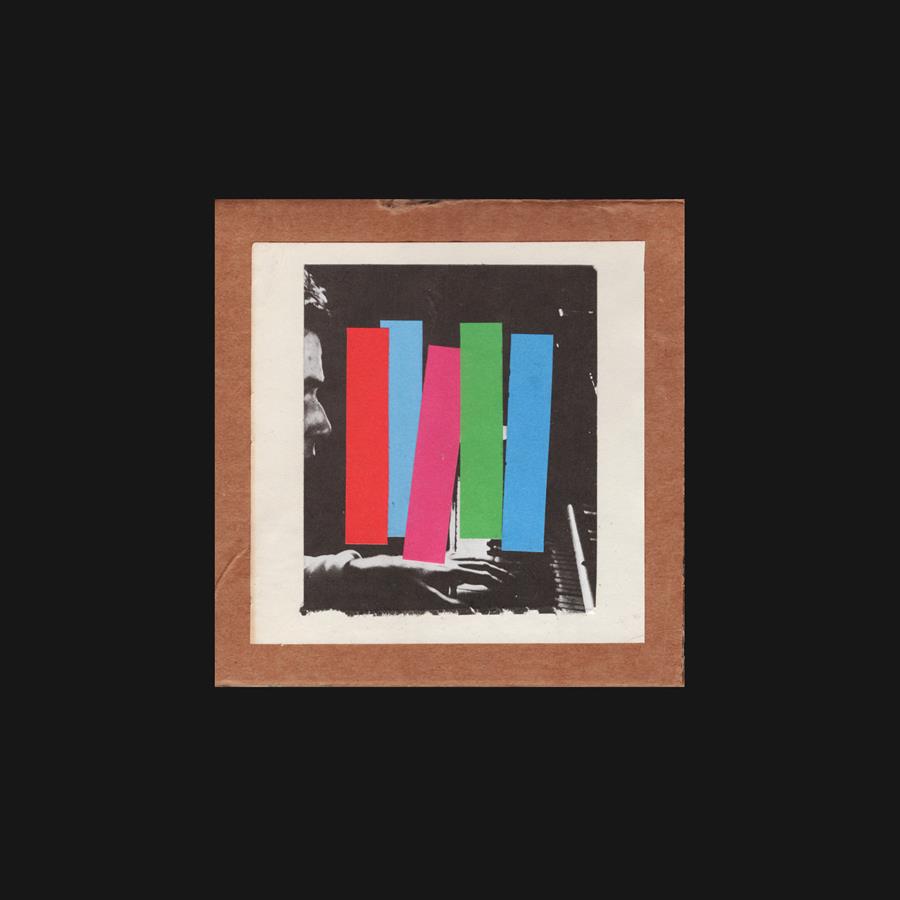
paper collage on cardboard
5 x 5 in.
Steve St. Pierre
Steve St. Pierre thinks of collage as the absence of a brief—no constraints to solve for, no outcome to justify. The Montreal-based multidisciplinary artist builds instinctive yet restrained studies from found imagery, typography, and texture, stripping each piece back until only what's necessary remains. Working between design and art, he lets meaning surface on its own rather than forcing it on the viewer.
In the Words of the Artist

Paper collage & pastel on cardstock
5 x 7 in.
My practice is rooted in trying to articulate my lived experience, regardless of medium. I’m interested in capturing the feeling of a moment rather than presenting something overly resolved or literal. The work balances clean structure with instinct and surrender. Each piece informs the next, where recurring ideas, textures, and emotions evolve into an ongoing visual language.
There’s something utilitarian and democratizing about collage — you’re working with what’s already around you, and all it takes is paper, glue, and an impulse to assemble. I’m drawn to that accessibility, but also to the freedom that comes with it. It gives me space to make for the sake of making, without needing to justify the outcome or force a fixed meaning onto the work. Especially when working abstractly, it becomes less about delivering an answer and more about allowing meaning or emotion to surface on its own.
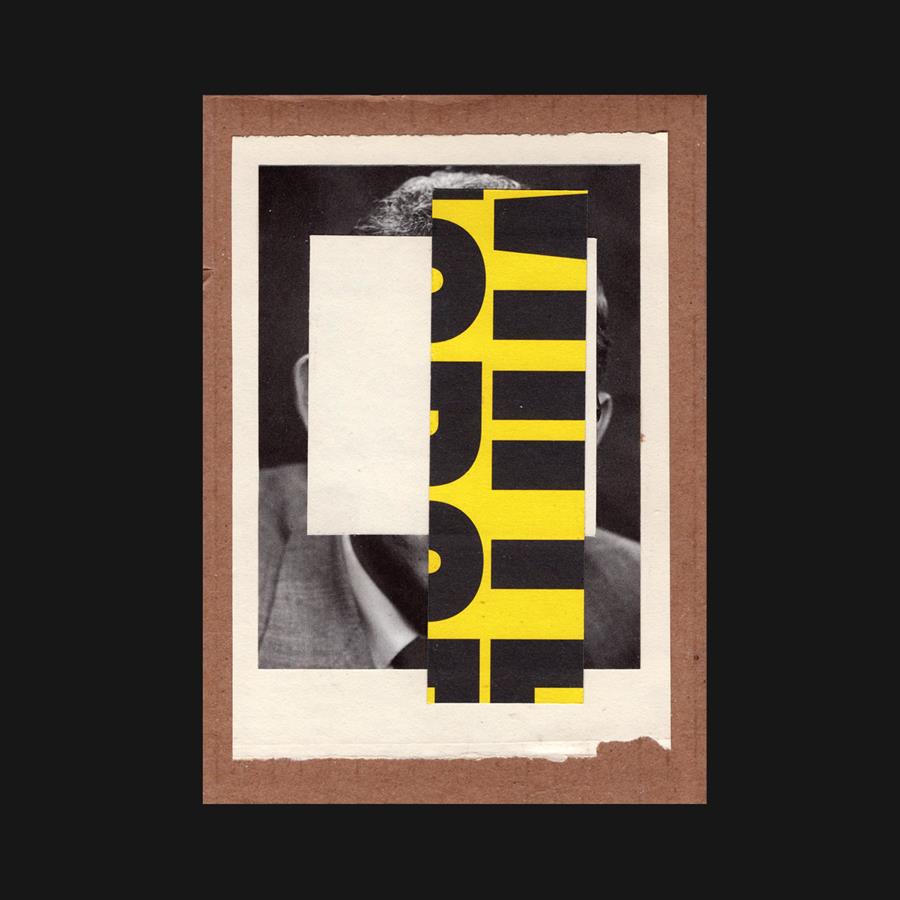
Paper collage on cardboard
5 x 7 in.
I tend to work minimally regardless of the platform, so the two practices naturally inform each other. There’s a focus on clarity and restraint — just expressed through different constraints. My professional work relies more on structure, systems, and accumulated experience, while collage is more immediate and instinct-driven.
I don’t see them as opposites so much as different modes of the same intention: both are about communication. One is deliberate and solution-oriented, the other is more open-ended and exploratory, but they both come from the same impulse to make sense of existence through the act of making.
That quality comes from my professional practice. I worked as a copywriter before moving into design, and that’s where I learned the economy of language — the idea that you keep stripping things away until what remains feels inevitable. That mindset carried into how I approach my brand identity work: reduce until you have only what’s necessary.
With collage, it’s the same instinct. I don’t really experience it as resisting the urge to resolve things — it’s more that resolution, for me, naturally tends toward simplicity. I try not to push pieces past what they need to be, whatever that ends up meaning in the moment. It’s less about control and more about following what feels honest, and that usually points me toward restraint.
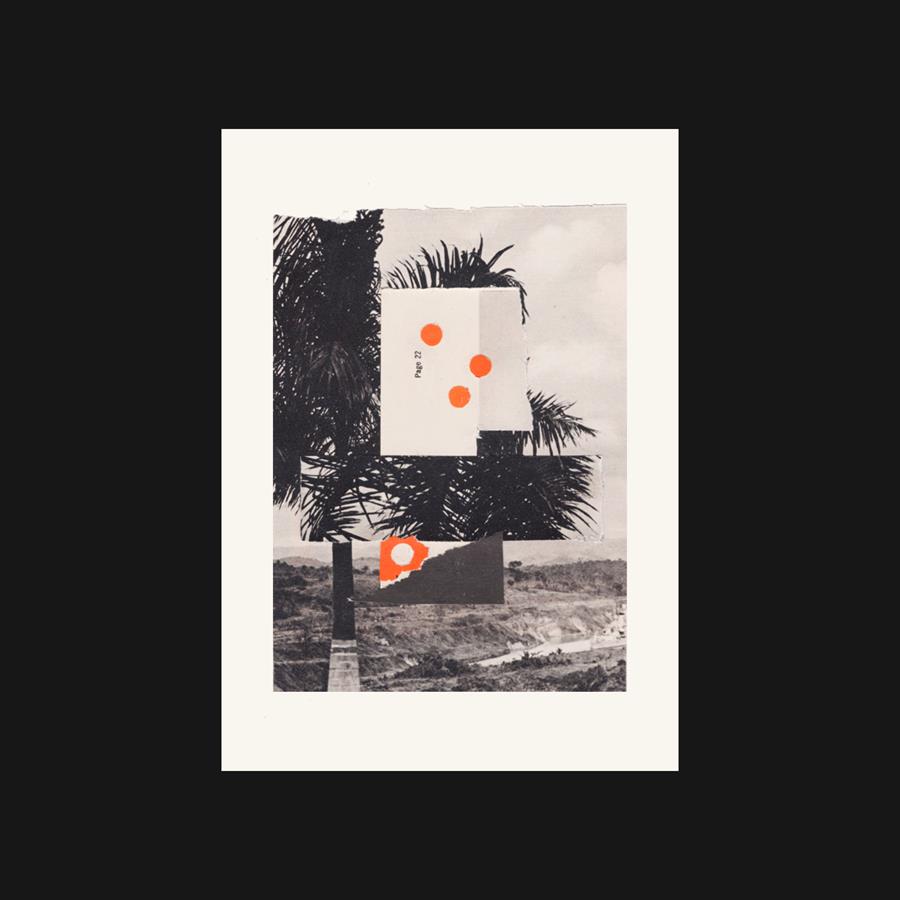
Paper collage on watercolour paper
5 x 7 in.

Paper collage on cardstock
5 x 7 in.
Collage gives me the absence of a brief. No constraints to solve for, no stakeholder feedback loops, no timelines dictating pace or outcome. In design, there’s always a function to serve and a decision to justify.
Collage removes the need to rationalize process or result, and it gives me space to work through things internally in a way that’s genuinely grounding. The act of making becomes steadying — especially as someone who deals with depression and anxiety — not as an escape, but as a way to process and regulate through repetition, intuition, and focus.
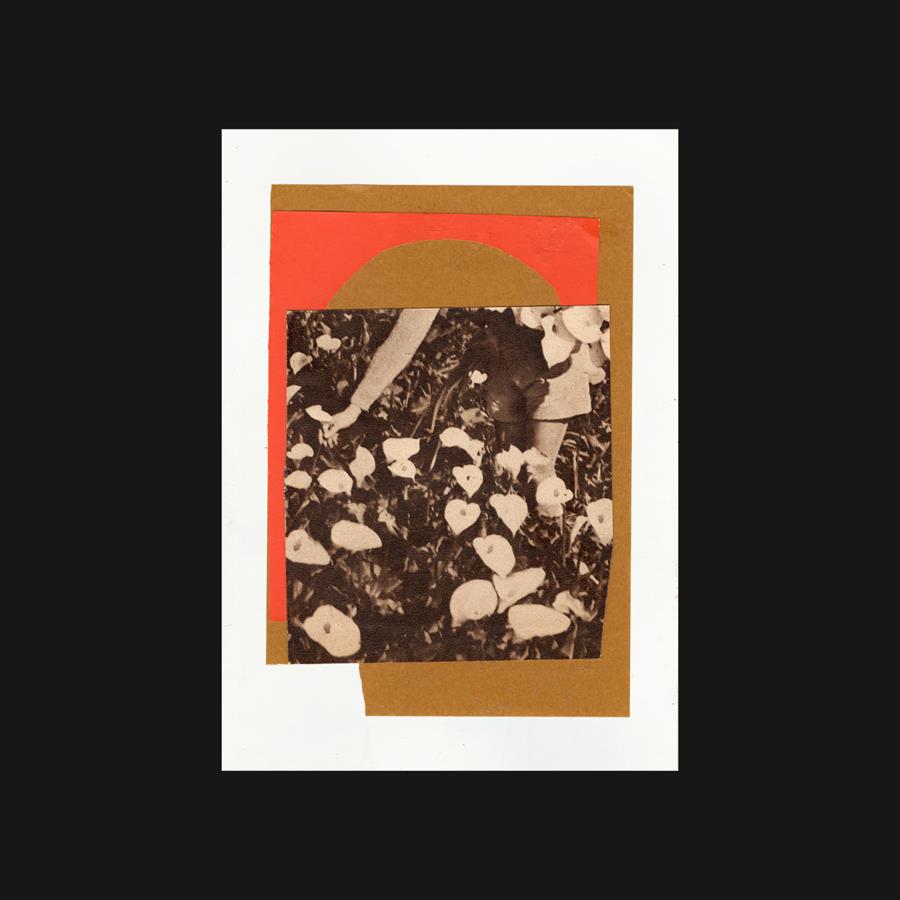
Paper collage on cardstock
5 x 7 in.
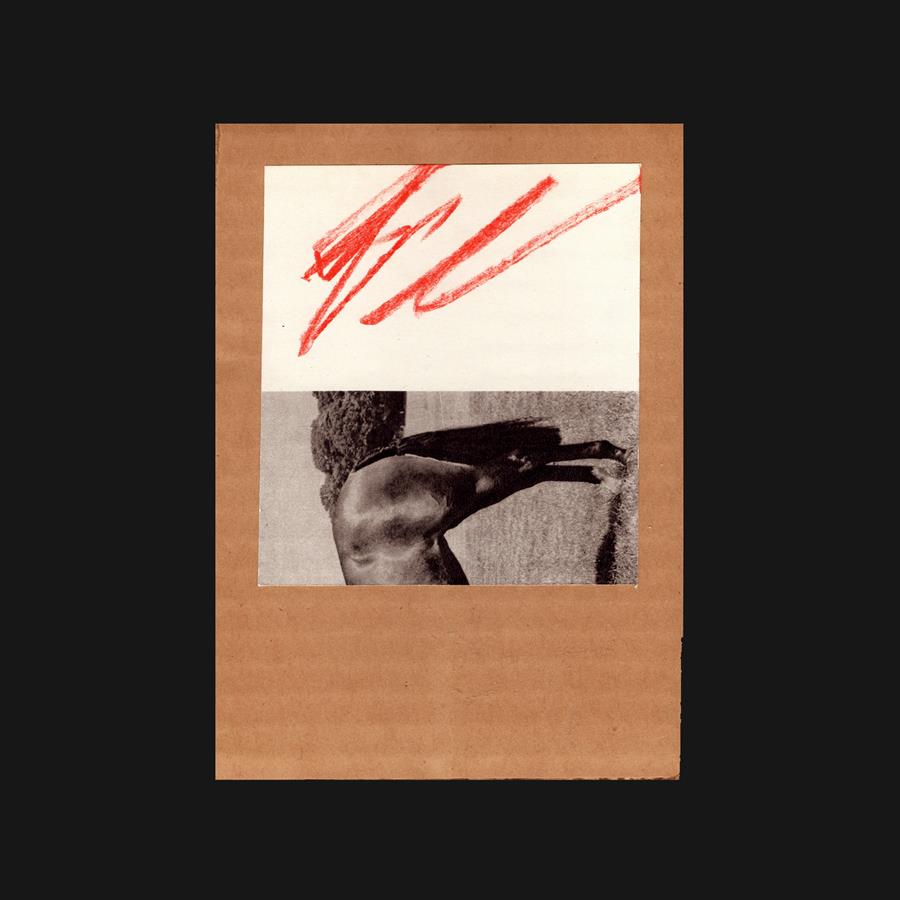
Paper collage & pastel on cardboard
4 x 6 in.

About the Artist
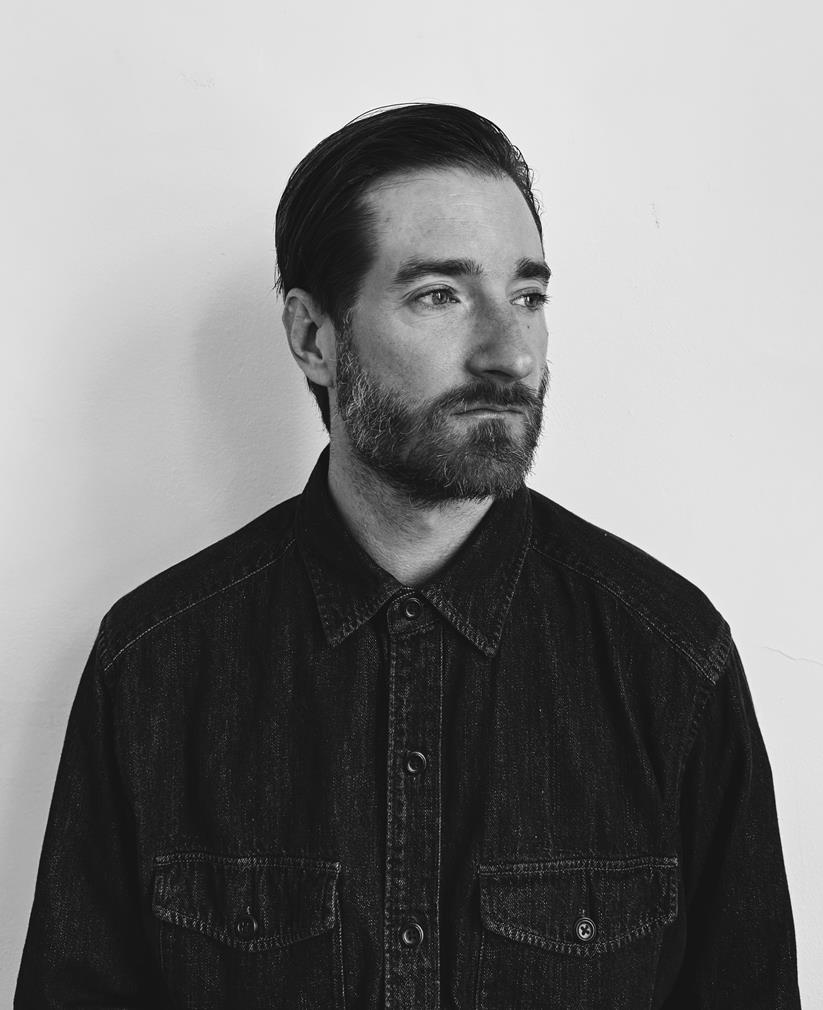
Steve St. Pierre is a Montreal-based multidisciplinary artist and designer whose collage work balances clean lines with abstraction, using found imagery, typography, and texture to build instinctive yet restrained visual studies. Working between design and art, his work reflects a consistent approach across mediums: simplicity driven by intent, structure shaped by intuition.
For Your Viewing Pleasure
What to watch, read, and experience, as curated by the Collé team.

SARAH LEUCHTNER is a Chicago-based and Portland, Maine-based contemporary artist working in painting, drawing, sculpture and large-scale collage. Born and raised in Chicago, she draws inspiration from city life and her surroundings, as well as iconography, contemporary culture, vintage signage, processing life events and repetition.
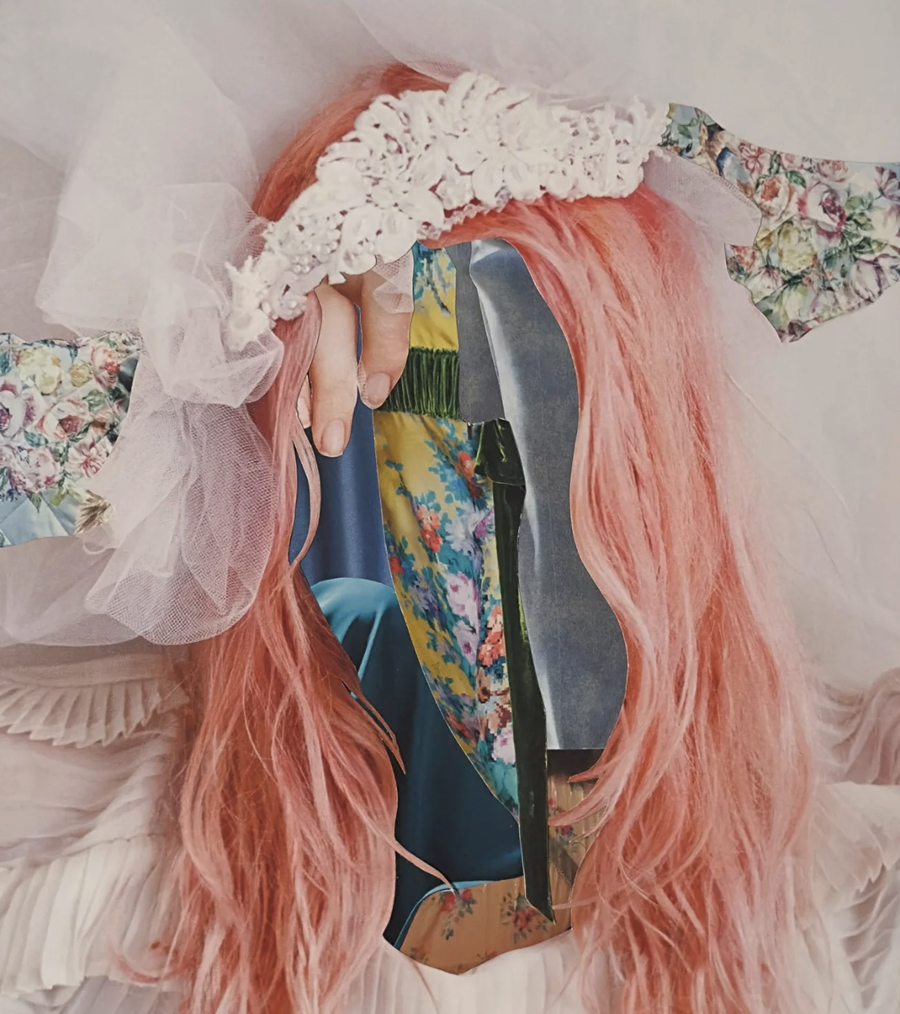
RUMI TOMINAGA is a culturally American, Japanese citizen who has lived in Los Angeles, New York City, and Memphis before settling in Tokyo. Since earning her BFA with a concentration in sculpture, she has spent the past decade producing film and television projects centered on marginalized voices.
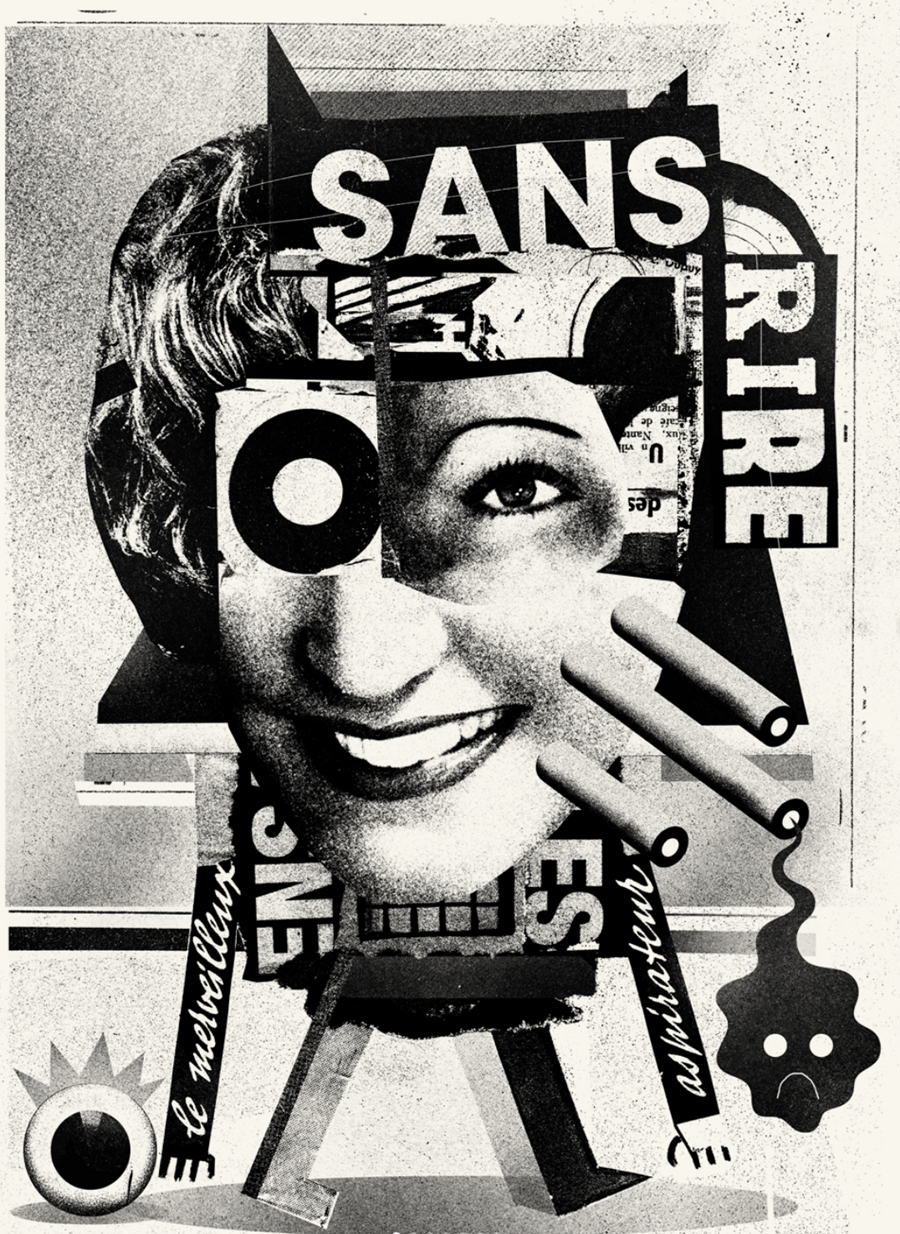
SÉBASTIEN FÉRAUT, aka Niark1, is a French artist and illustrator based in Montpellier.
For over fifteen years, he has been developing a distinctive visual world: colorful monsters, abstract portraits, pop surrealism, rooted in urban culture and spontaneous drawing.
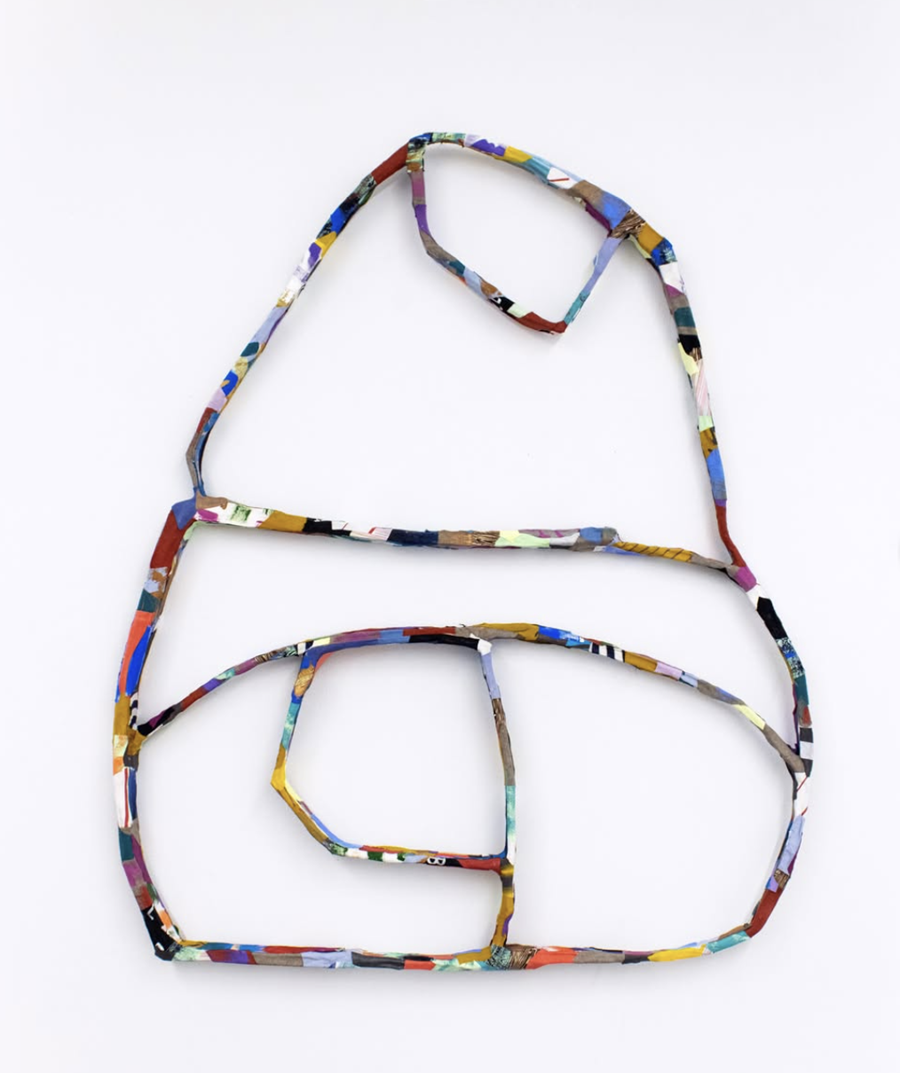
ALLISON WADE is a visual artist and educator working primarily in sculpture. Her practice is material-based, intuitive, and formally focused. She combines ceramics, textiles, wood, and metal into unexpected, often tenuous arrangements that explore the intersection of flatness and form.
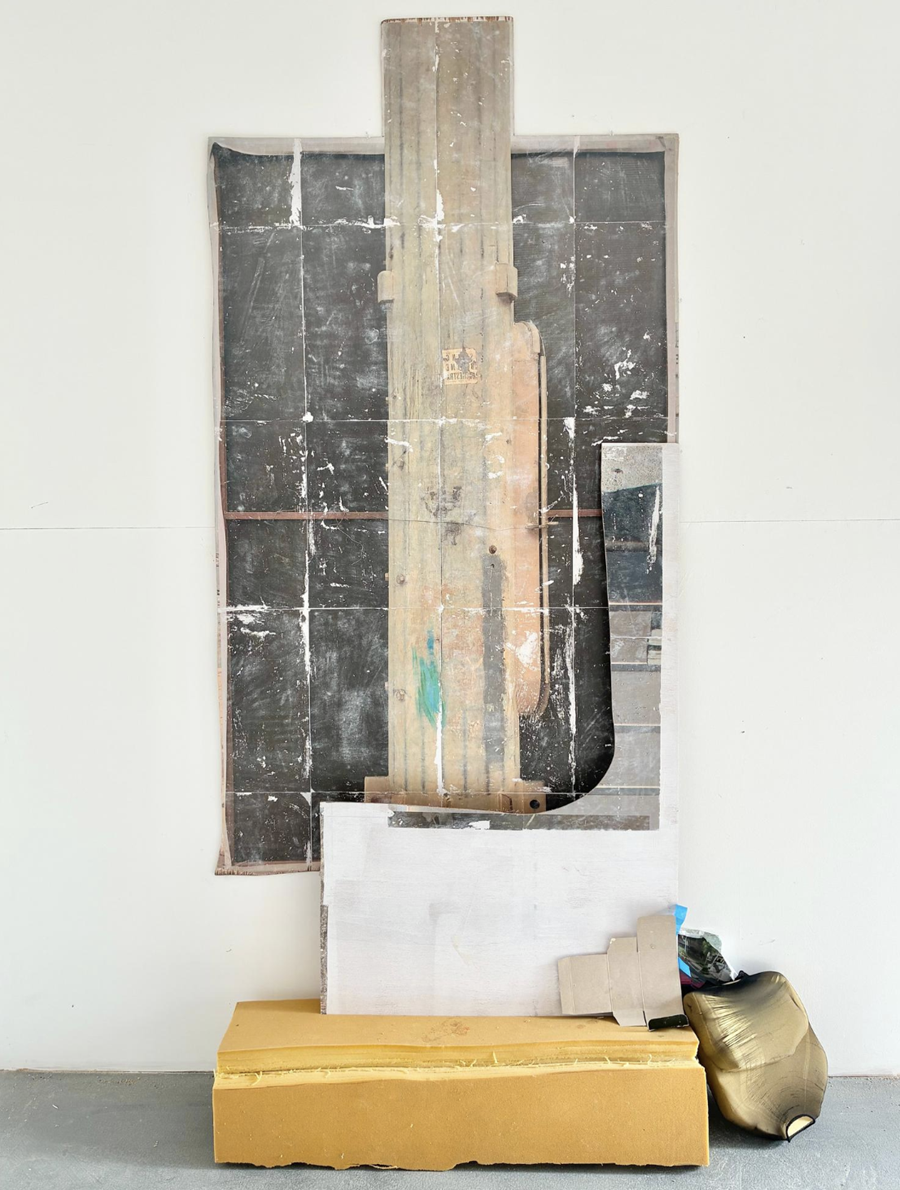
SADIE WHELAN (b.1999) lives and works in Australia. Whelan works within a cross-disciplinary practice using methodologies of playfulness and disobedience as both material and subjective frameworks. Her work likes to pick and pull at things, breaching the surface. She is interested in how value is assigned to materials and objects; how things become coded as tasteful or tasteless, precious or disposable, complete or failed.
Out and About
What to watch, read, and experience, as curated by the Collé team.
▼ WATCH
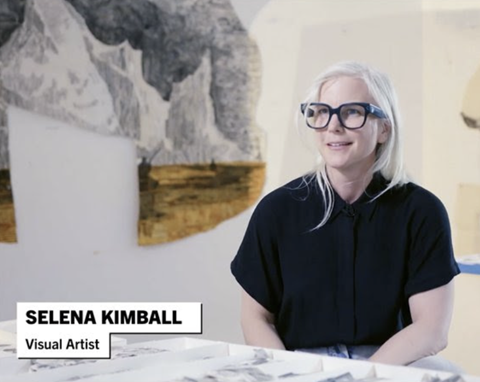
Selena Kimball: Cutting Into Absence CUNY Laureates
Kimball uses collage to transform memory, history, and emotion into visual narratives. By cutting into the past and reconstructing it through layered imagery, her work challenges the way we see both personal and collective experiences.
▼ READ
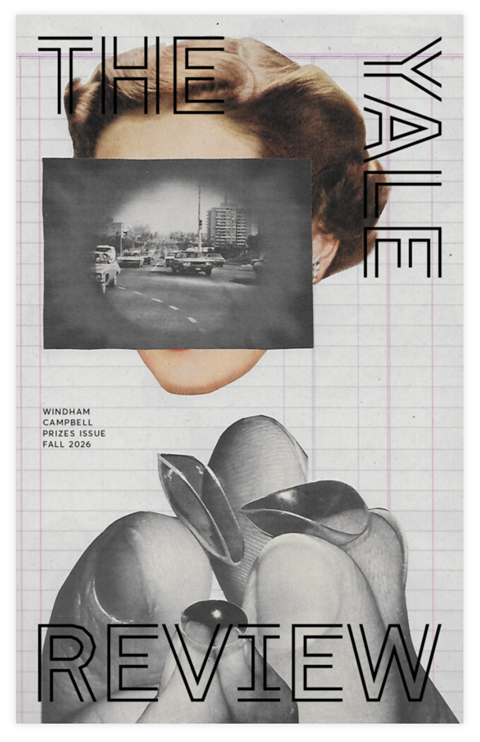
The Yale Review Volume 114, No. 3 Fall 2026
The Yale Review’s fall issue, its seventh Windham–Campbell collaboration, features a cover collage by Lucy Sante, whose accompanying piece recalls five encounters with famous writers. The issue includes new fiction, prize-winning plays, poetry, and criticism on film, Poe, and ballet.
▼ LISTEN
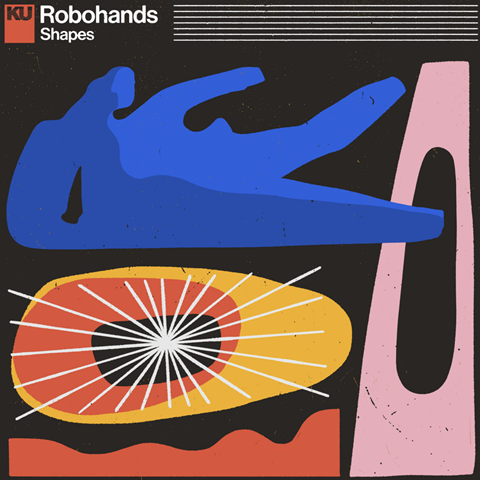
Shapes by Robohands - listen on Bandcamp
This 2021 release by the experimental solo project of London composer Andy Baxter. A smooth, groove-driven debut of jazz-inflected instrumentals, warm and cinematic, mixing live drums with layered textures.
