Yossip
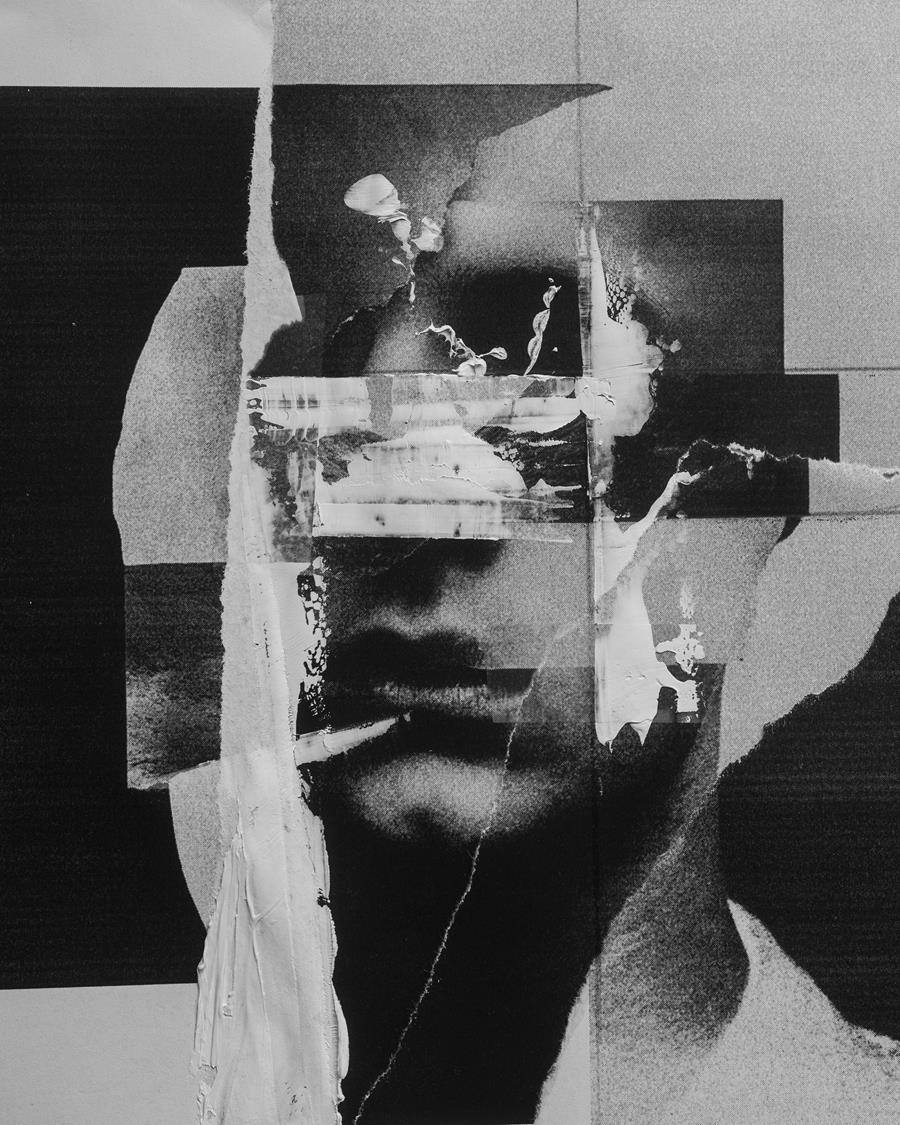
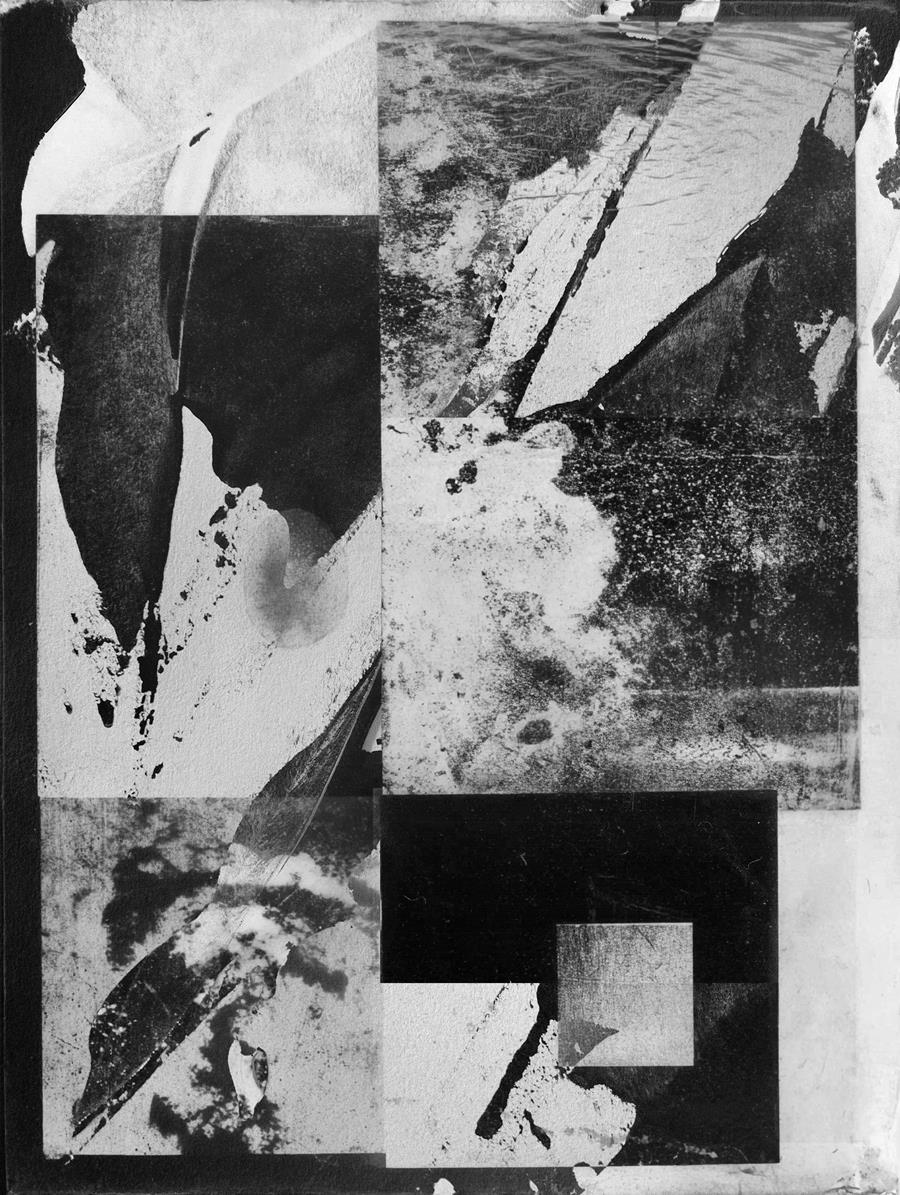
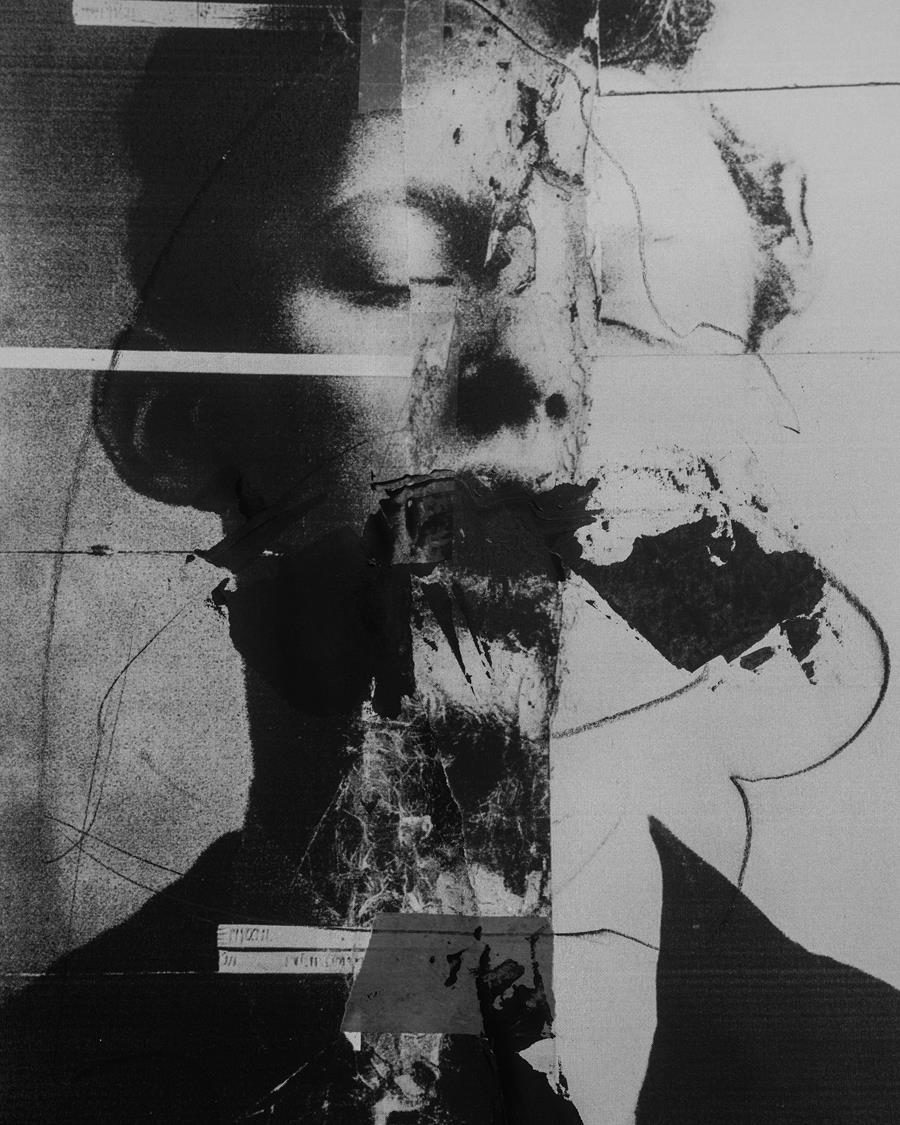
Yossip prints, tears, and works his way through a fifteen-year photographic archive, pulling portraits and found textures between physical and digital states until they start to look like something already lived in. The collages carry a timeless feeling: the portrait abstracted and decayed, the clean geometric edge broken and worn down.
In the Words of the Artist
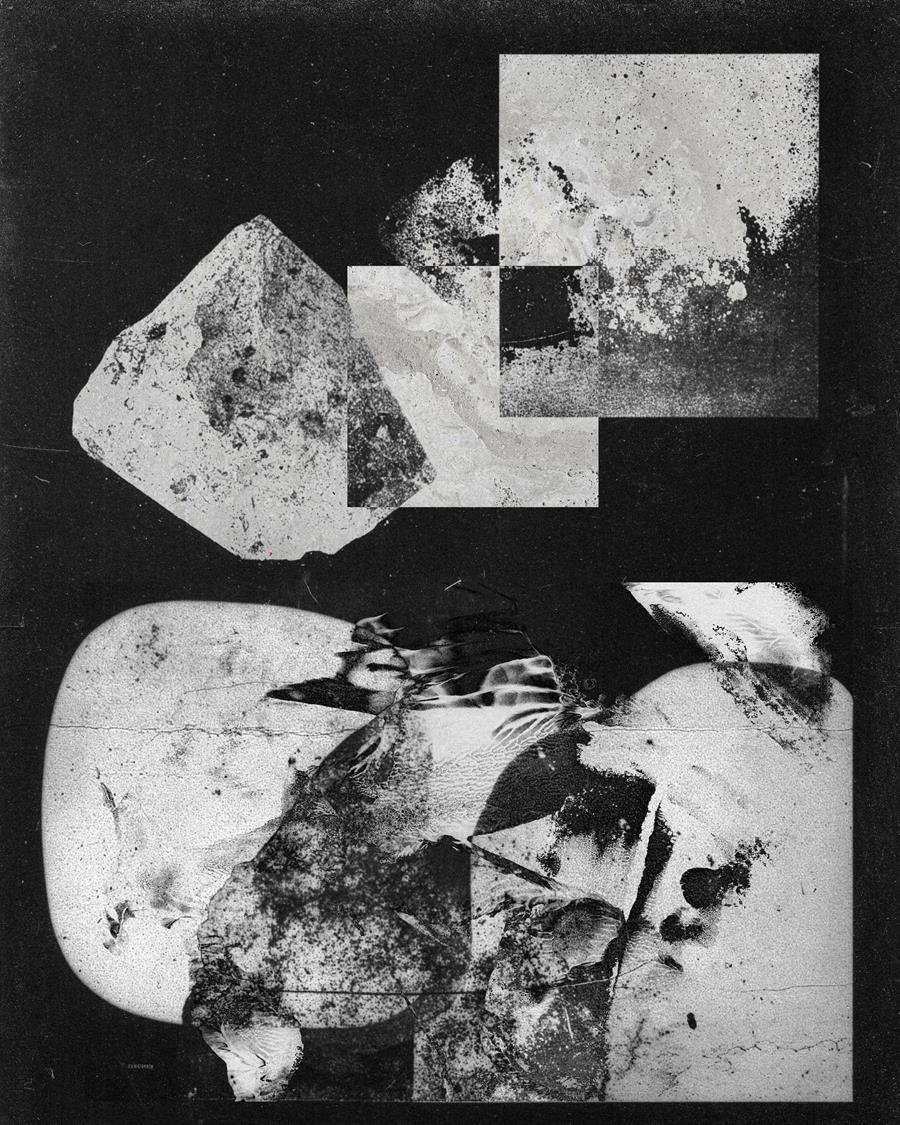
I work with forgotten textures, shaping and recontextualizing elements that might otherwise go unnoticed. My practice moves between physical materials and digital reinterpretation, constantly balancing rawness and structure.
Collage feels like the most natural way for me to combine the different fragments that inspire me. It allows separate elements to come together into a composition that feels complete, while still keeping a certain tension and unpredictability.
I like how geometry interacts with the chaos of paint, ink, and torn textures. If something becomes too geometric, it starts to feel too safe for my taste. I need a certain rawness in the work — something imperfect and alive. My fascination with weathered architecture, objects, and urban surfaces probably plays a role in that balance between structure and decay.
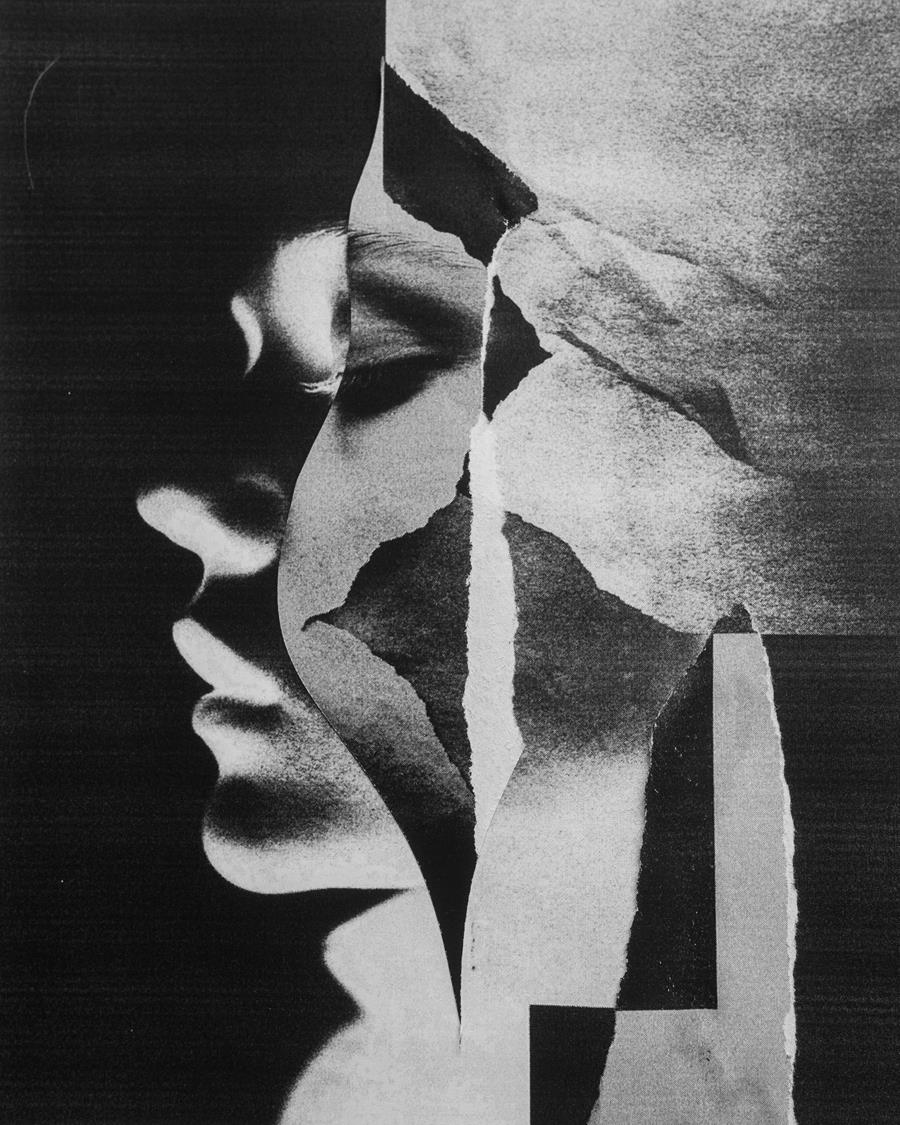
My process is mostly physical. I might take a digital photograph, edit it to give it an analog feel, print it, tear it apart, and work on it with paint or ink until it carries a certain lived-in quality. I really enjoy the physical act of smearing paint and adding rough, abstract brush strokes to certain areas, letting the material behave in an unpredictable way.
After that, I scan or photograph the fragments to bring them back into the digital space. Sometimes I photograph textures or shapes I create myself and build new compositions from them. At certain moments, I also use Photoshop to add subtle transparent overlays or layers, creating extra depth and interaction between the elements.
Often the work moves back and forth between physical and digital stages — printing, tearing, scanning, painting, and rebuilding — allowing the piece to slowly evolve through repetition and chance.
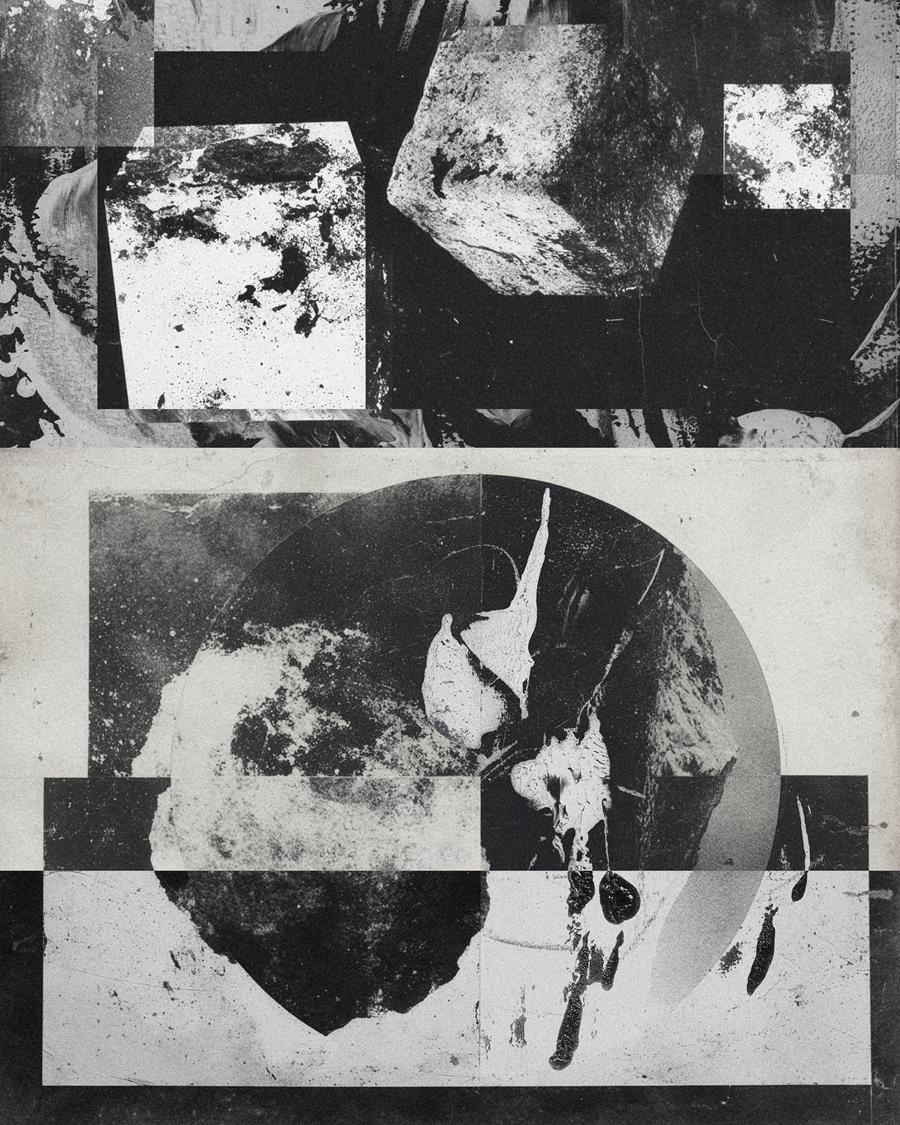
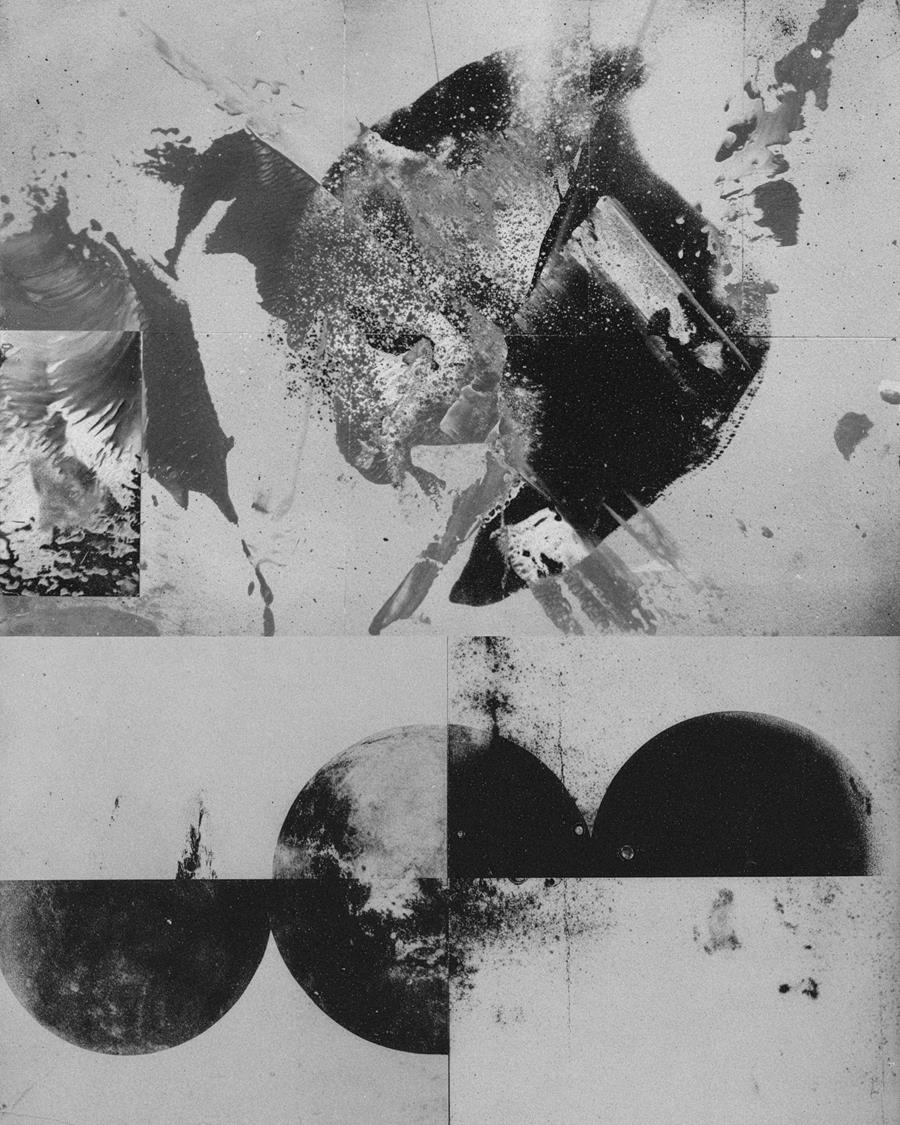
I photographed full-time for about fifteen years, so I have a fairly large archive of images I can return to. I also still enjoy going outside to photograph new textures, surfaces, and accidental compositions.
Collage, painting, and photography all feel meditative to me. They bring me into the present moment, where the process becomes more important than the original image itself. I usually just feel it. There’s a moment when the piece stops asking for attention. I almost never go back to change it afterwards. The ending tends to happen quite suddenly — almost radically — and then it’s simply finished.

About the Artist
Yossip is an artist drawn to the poetry of decay. He finds inspiration in the textures of abandoned buildings, industrial relics, fading graffiti, and surfaces shaped by time. Blurred black-and-white photography, grain, and worn materials play an important role in his visual language. His work explores the tension between structure and erosion, assembling fragments of forgotten imagery into compositions that evoke memory, imperfection, and the quiet beauty of things that have been lived in.
For Your Viewing Pleasure
What to watch, read, and experience, as curated by the Collé team.

JAKE DUFF layers distressed typography, halftone fragments, and photographic debris into dense nostalgic compositions that hold serious tension between noise and an odd calmness. He publishes his work as Calm in Chaos.

KATIE STECIW has held solo exhibitions at Neumeister Bar-Am in Berlin, Brand New Gallery in Milan, Retrospective in Hudson, and Higher Pictures in New York. Her work appears on the cover of Charlotte Cotton's Photography is Magic, published by Aperture in 2015. She lives and works in Brooklyn.

MIGUEL ARZABE makes colorful, dynamic abstractions—weavings, paintings, videos. He finds outdated beauty in paper ephemera, modernist paintings, and discarded recordings, methodically deconstructing them. Drawing on his Andean heritage, Arzabe weaves fragments together, revealing uncanny intersections of form and content, nostalgia and hard edges, failure and recuperation.

SARA VANDERBEEK (b. 1976, Baltimore) lives and works in New York. Solo exhibitions include the Baltimore Museum of Art; Fondazione Memmo, Rome; Hammer Museum, Los Angeles; Museum Boijmans van Beuningen, Rotterdam; and Whitney Museum, New York. Recent group shows include the Norton Museum of Art and Minneapolis Institute of Art.

MARK MANDERS (b. 1968) conceived his ongoing work Self-Portrait as a Building in 1986. It resembles a fictional structure of shifting rooms and levels, continuously expanding and interconnected. With no beginning or end, his works resist chronological order—they could just as easily belong to the early 20th century.
Out and About
What to watch, read, and experience, as curated by the Collé team.

▼ APPLY
MUUS Collection Research Fellowship
Apply by July 31, 2026
Applications are now open for the MUUS Collection Fellowship. The fellowship comprises a $20,000 grant awarded to a curator or academic. The grant will allow the fellow to spend time in MUUS Collection’s archives and use the new MUUSEUM Research Portal to develop an exhibition or publication concept based on works within the collections.

▼ READ
10 years of Office Magazine
A monumental coffee-table book documenting the first decade of Office magazine. Spanning 368 pages, this large-format volume (380 × 280 mm) fully archives Issues 1–21, meticulously scanned and reproduced to preserve the raw energy, visual experimentation, and unfiltered spirit that define Office.

▼ LISTEN
Last Night The Moon Came Dropping It's Clothes In The Street by Jon Hassell
