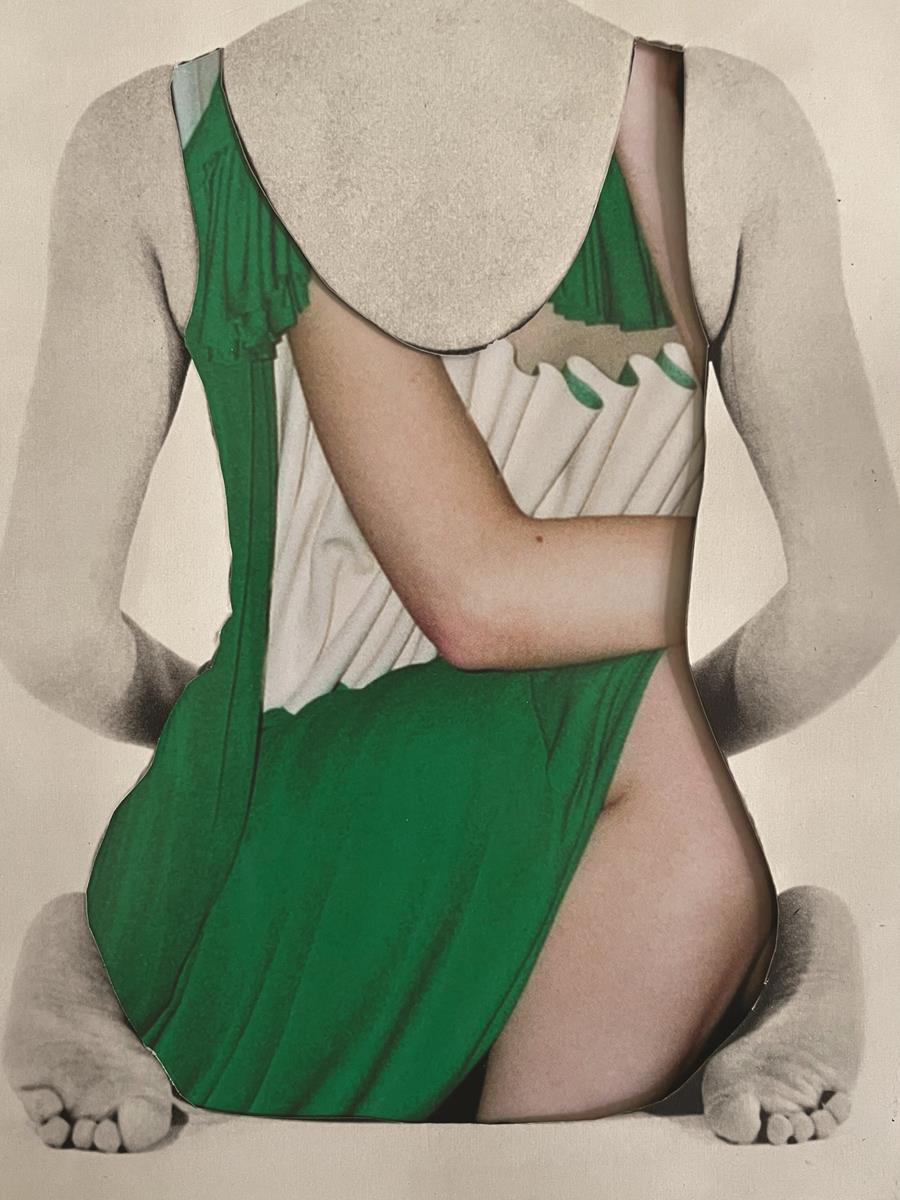
Analog collage
110 x 140 mm
Lia Rochas Páris
Lia Rochas Páris began collaging at 17, after a fire, and never stopped. The Paris-based artist, poet, and curator treats everything as collage—assembling fragments across image and text into open-ended narratives. Working from analog materials she regards as vestiges of an era, she archives memory and builds a personal archaeology, embracing chaos as her go-to method.
In the Words of the Artist
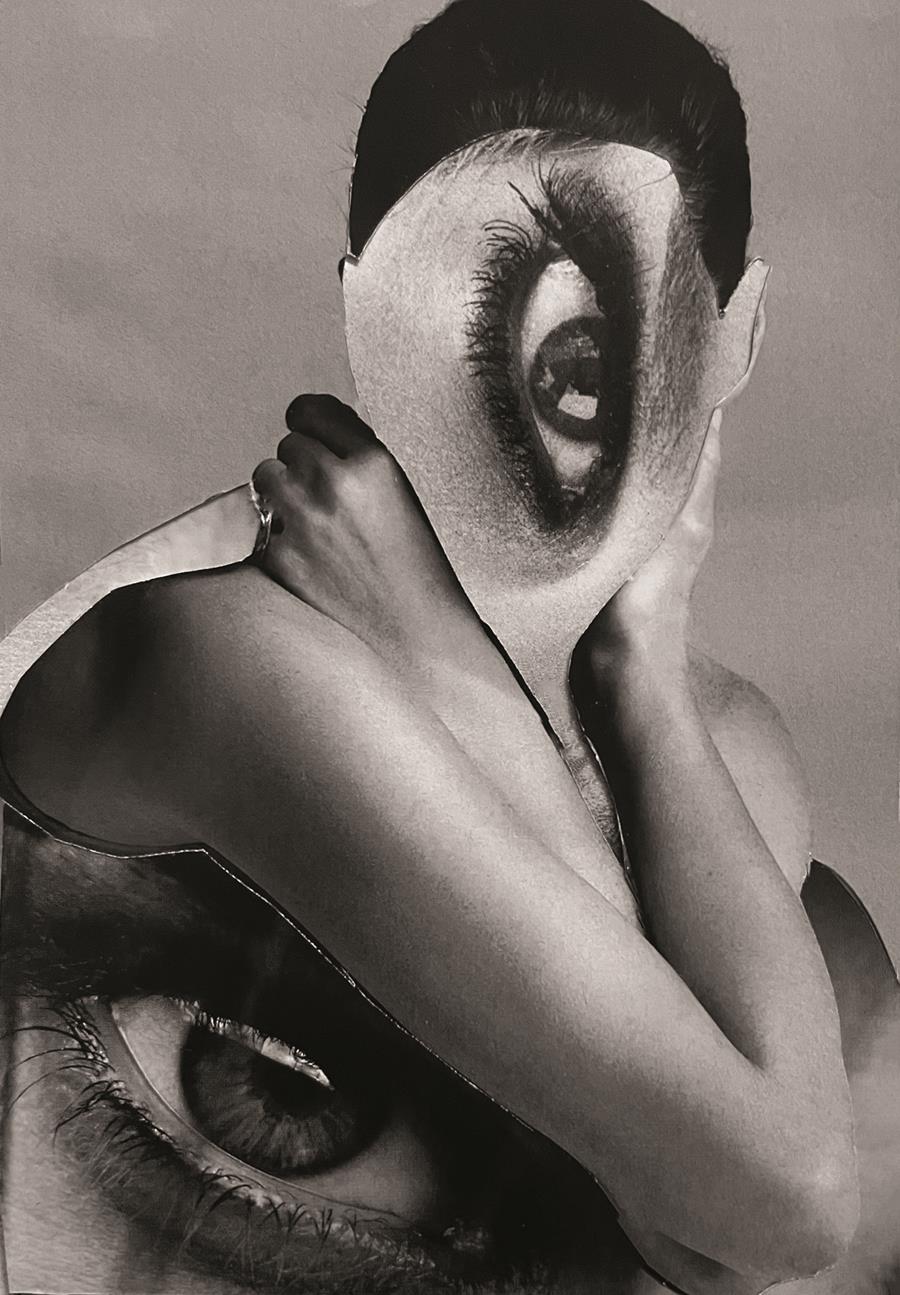
Analog collage
105 x 150 mm
I began practicing collage at 17, following a fire. Since then, I have never stopped. For me, everything is collage. The way we think, the way we express ourselves, is the result of assembling fragments of information. Practicing collage has taught me to see the world as a constellation of fragments to be connected, to embrace disorder, accident, and clumsiness as conditions for emergence, and to recognize in chaos the promise of a creative epiphany.
I've written an essay on the poetics of collage in the age of AI. Since our interview, it has gone to print as my next book, Collage Manifesto: In the Age of AI, launching in October. It explores, from an artistic perspective, the idea that everything is collage, engaging key notions such as chance, materiality, the invisible, uniqueness, and the economy and ecology of images. It also examines how analog collage, long relegated to the status of a "minor art," is now being revalued and gaining distinct recognition, particularly in contrast to photography, a medium undergoing profound transformations under the impact of AI.
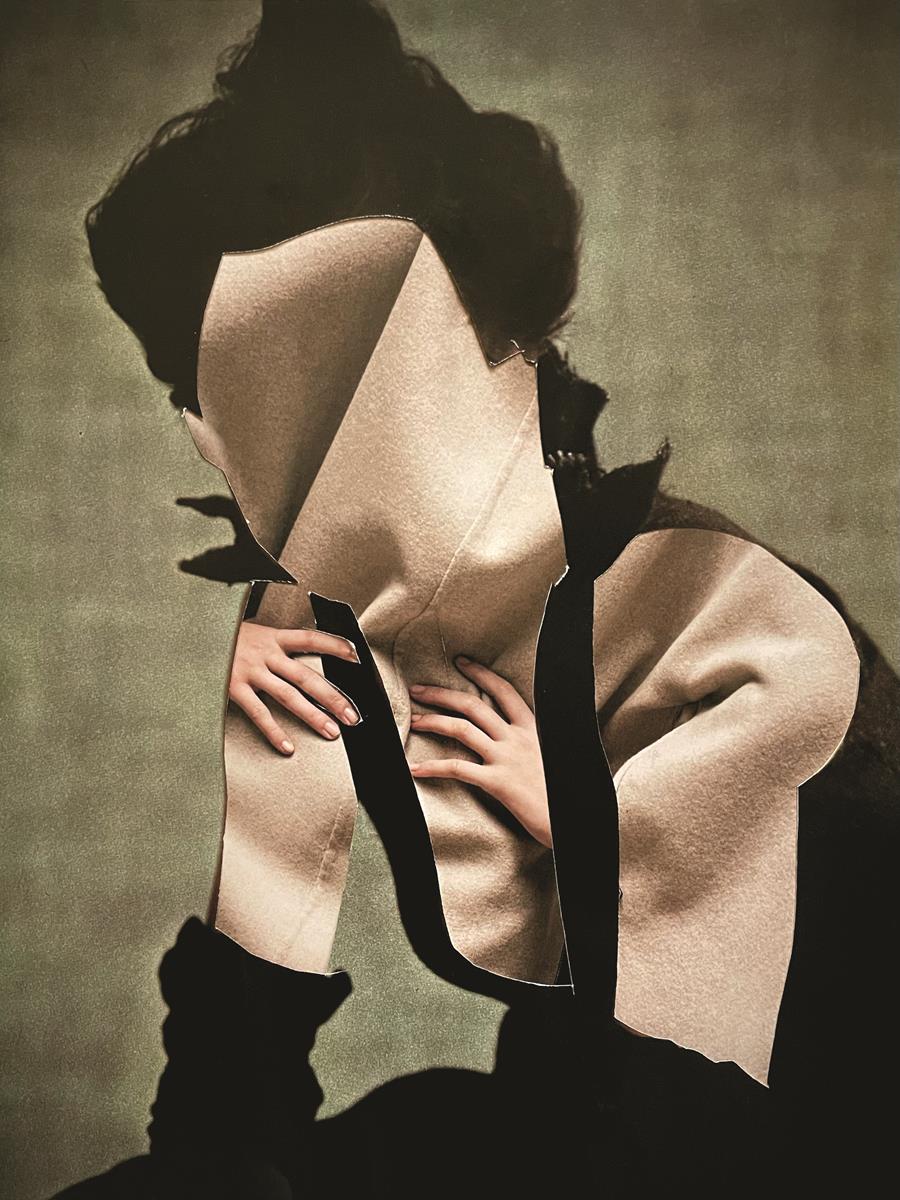
Analog collage
210 x 280 mmType image caption here (optional)
I am neurodivergent, so yes, I rarely fit into predefined categories. I realized quite late that practicing collage had allowed me to channel my energy and navigate certain inner tensions. I learned to work with it, to persist, and to embrace it—so today, I see it as a form of freedom. It may also be why I describe myself as incasable—unclassifiable.
Everything moves so fast today that more and more people experience attention fragmentation. Collage, by its instinctive and fragmentary nature, becomes a kind of metaphor for how we function now. It allows us to compose through deconstruction and reconstruction, offering a creative methodology for engaging with a world saturated with images.
Since the lockdown, we’ve witnessed a strong resurgence of collage, almost out of necessity. For a long time, saying you made collage was seen as a hobby, something peripheral—but perceptions are shifting. Collage, like poetry, may well be one of the most lucid languages of our time: it embraces fragmentation without abandoning meaning, turning ruins into form and chance into a method.
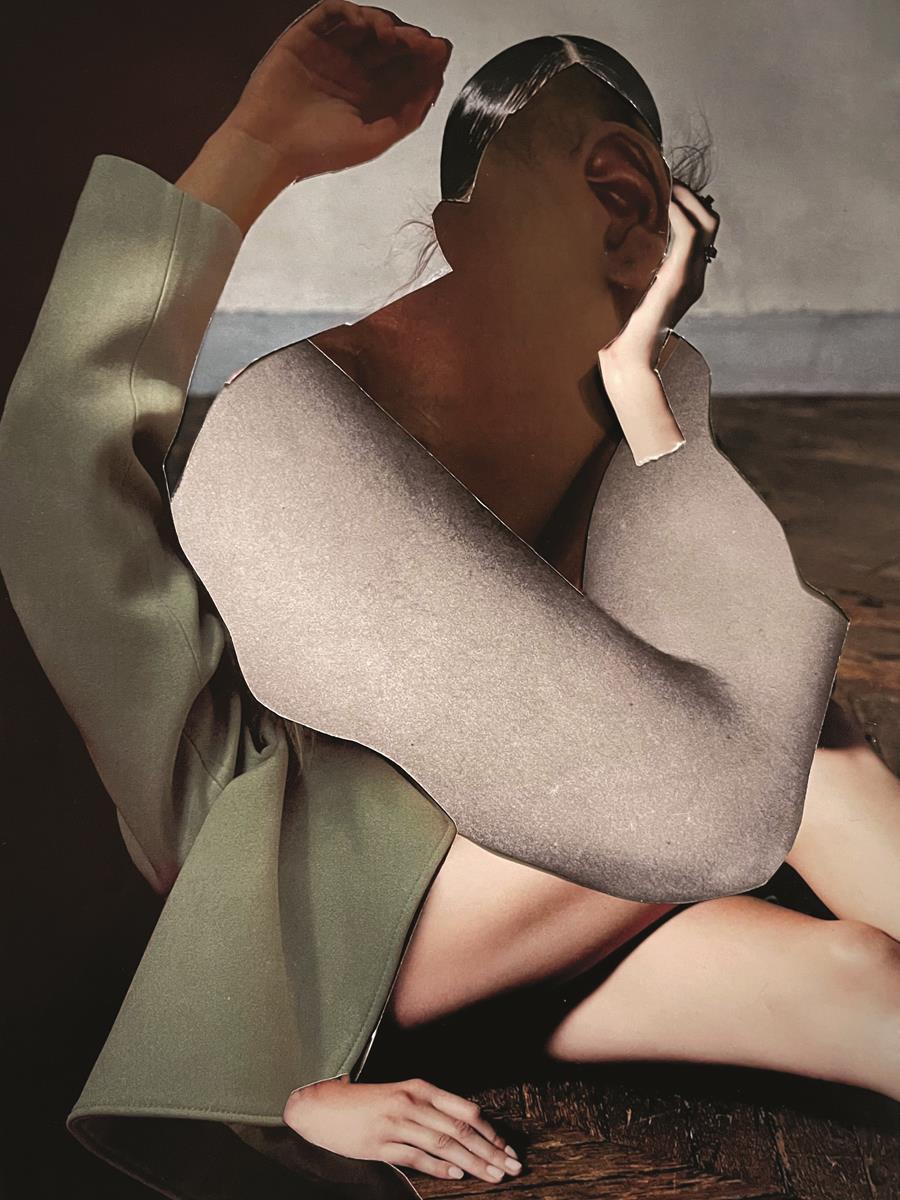
Analog collage
210 x 270 mm
Coffee, a cigarette, writing when I wake up. Collage works in cycles. The most fertile periods are in autumn and winter—the days grow shorter, the light becomes scarce, and it invites introspection. In spring and summer, I collect more. I build up reserves of materials by browsing flea markets, then sort and store the elements in boxes.
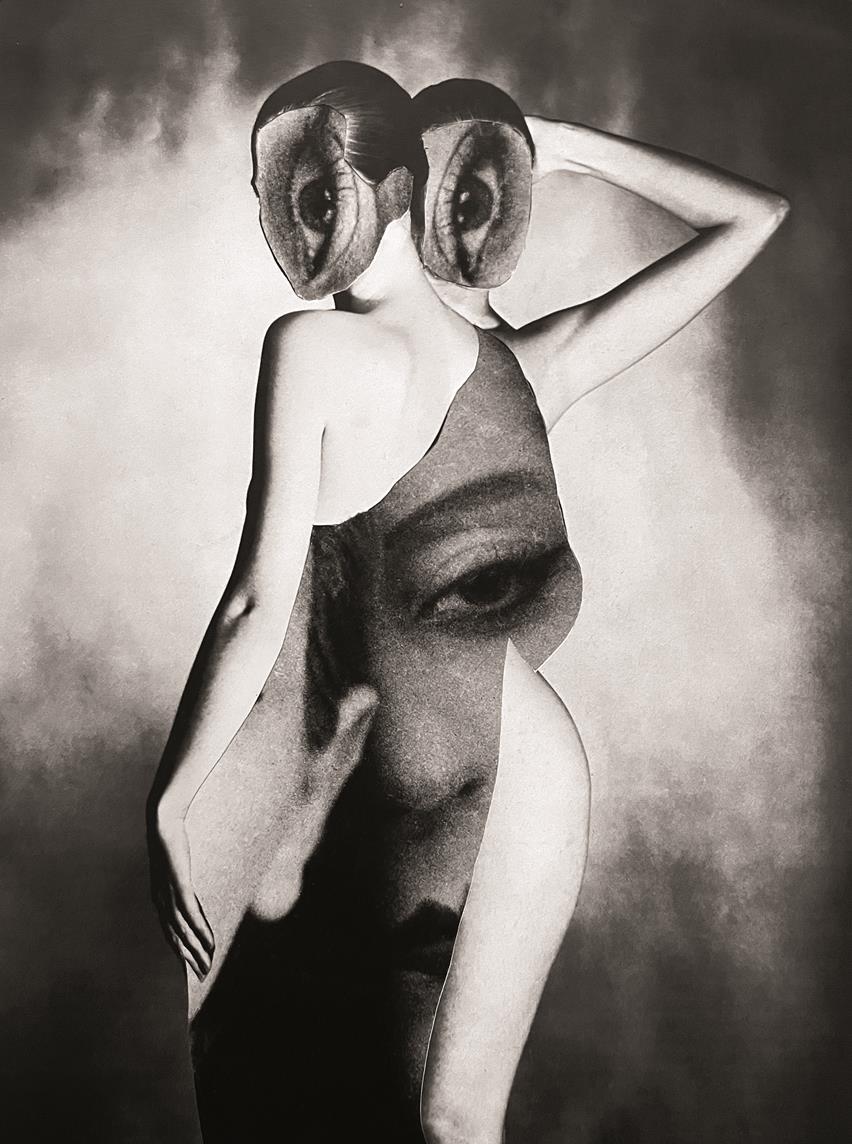
Analog collage
200 x 280 mm
Any analog material becomes an archive the moment we choose to pay attention to it, when someone decides it is worth preserving. Our gaze settles on details according to our interests—and those interests shift throughout our lives.
It’s always striking to see how cycles of creation bring certain themes back to the surface at different moments, without any premeditation. That is the strength of collage: it leaves room for instinct. But it is also what led, for decades, to it being relegated to the status of a minor art.
Today, however, we are clearly witnessing a renewed interest in the practice, particularly since the lockdown. Collage invites us to reflect on how we inhabit both physical and mental space, and on the possibility of an ecology of images—fragmentary, constantly in motion, yet deeply meaningful.
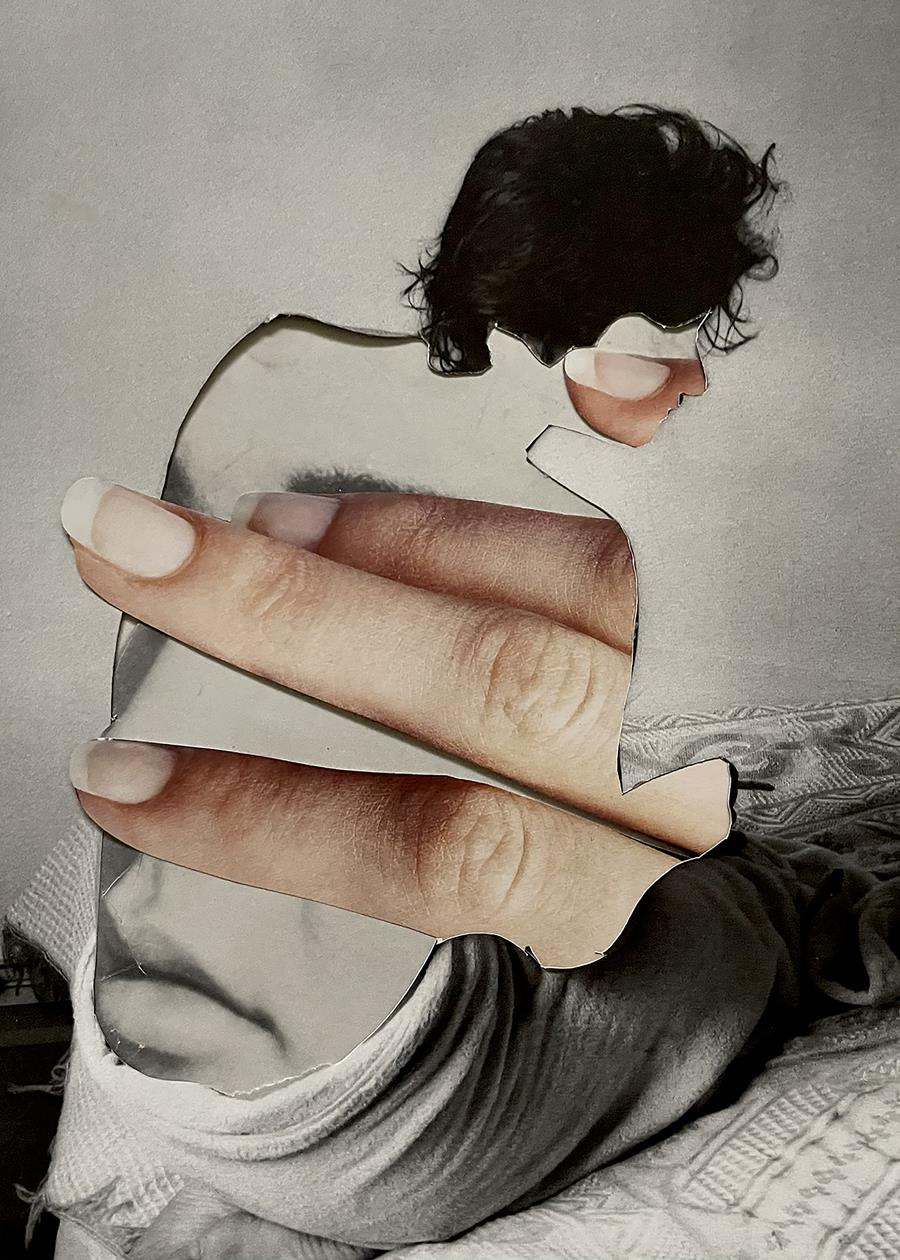
Analog collage
180 x 250 mm
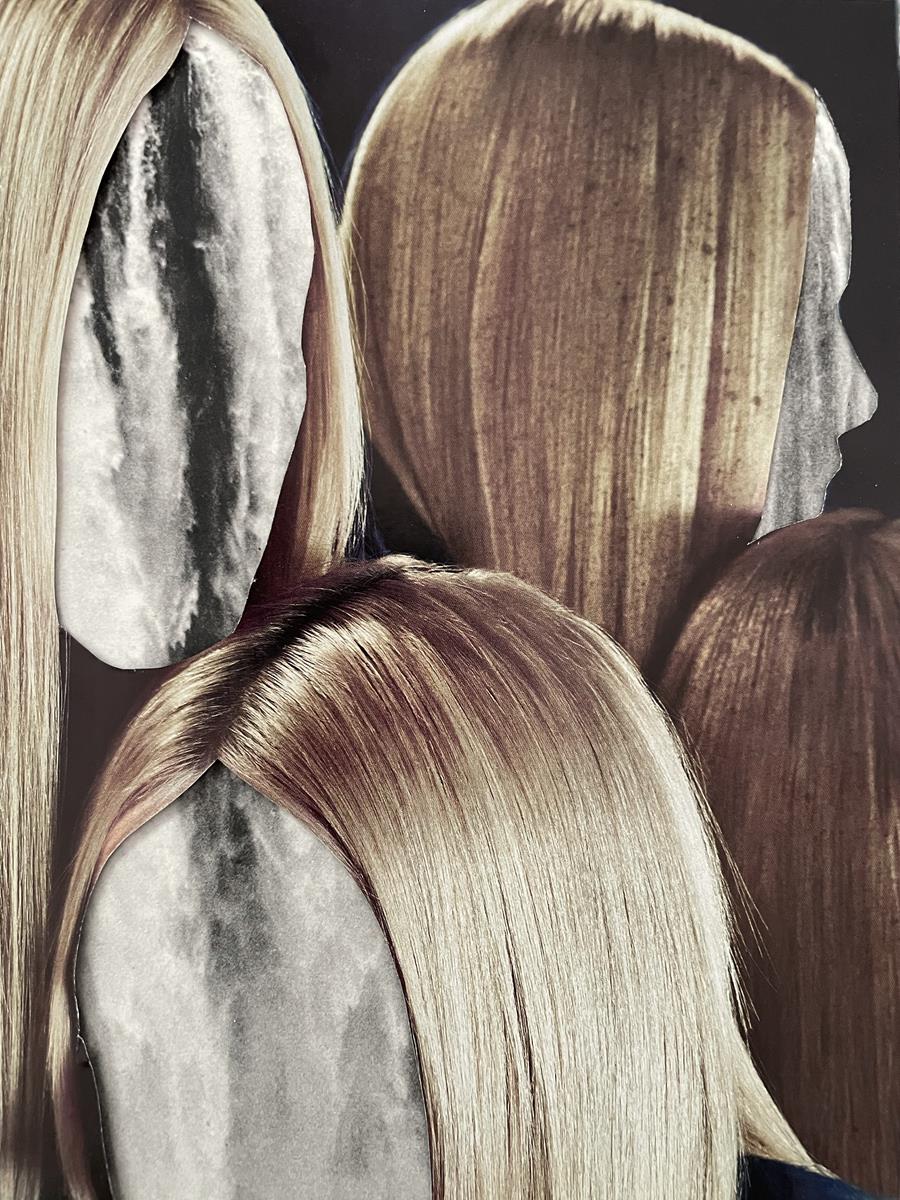
Analog collage
105 x 150 mm

About the Artist
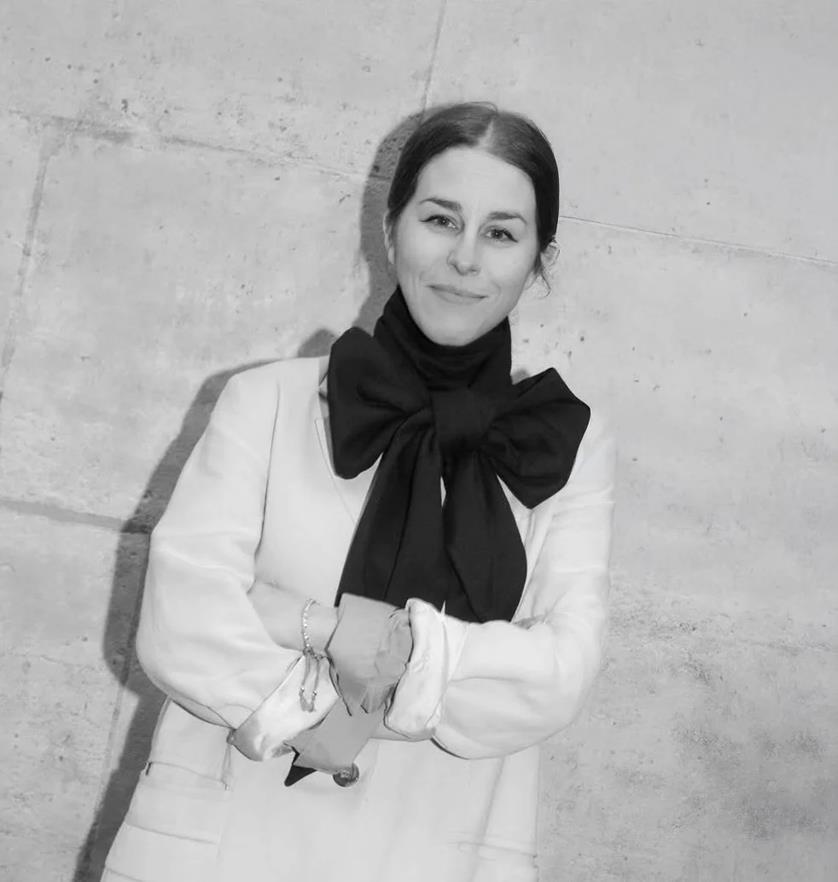
Lia Rochas Páris lives and works in Paris. Trained in the aesthetics of art, design, and digital arts, she works as an artist, author, poet, and curator.
She treats everything as collage. Images and texts get blended until new narratives surface across assemblage, photography, video, poetic writing, photo novels, publications, and installation. Each resource is a puzzle piece. She collects what she reads as the residue of an era, archiving memory and building a personal archaeology.
She works the line between fullness and emptiness, the visible and the hidden, and holds onto Ma, the space in between, where a surreal narrative opens to many readings. Her work has shown in Paris, Arles, Geneva, Osaka, and New York, and at fairs including Les Rencontres d'Arles, Paris Design Week, PAD Paris, and Art Brussels.
For Your Viewing Pleasure
What to watch, read, and experience, as curated by the Collé team.
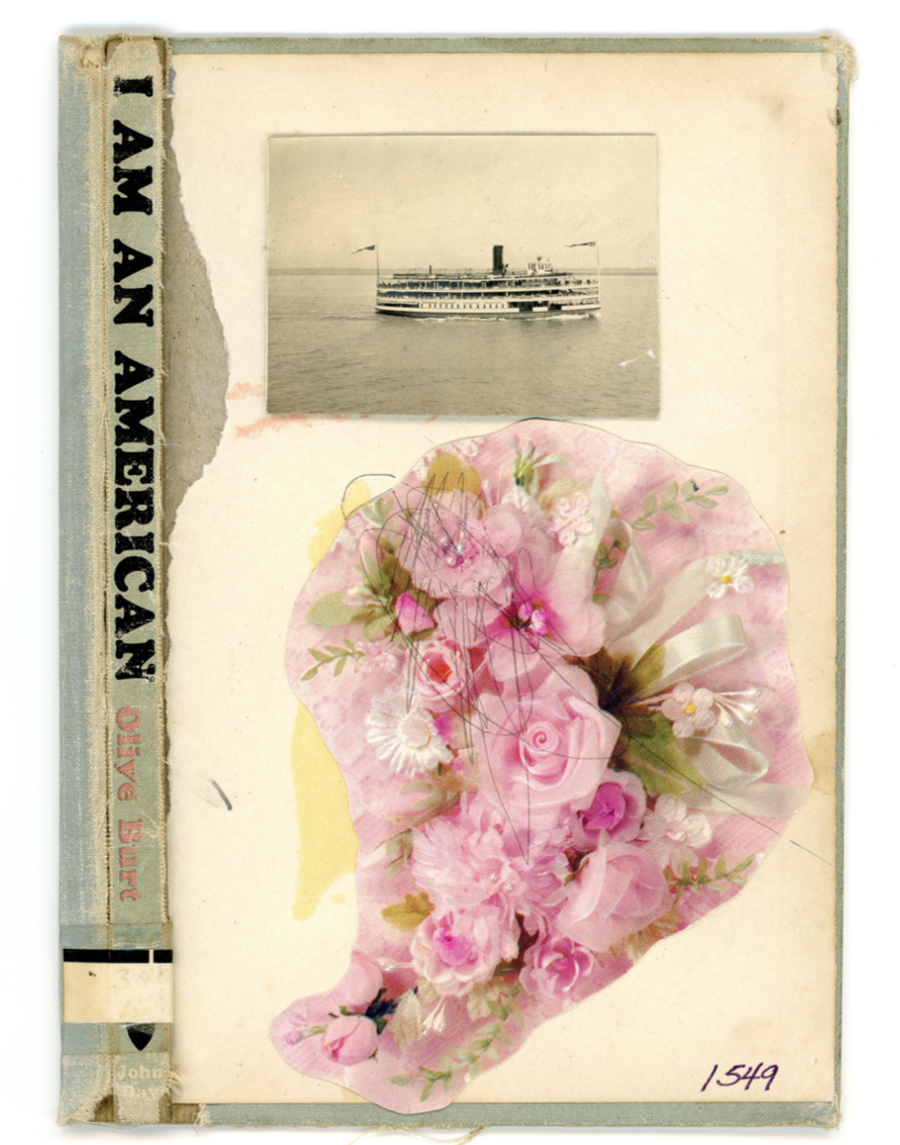
CAIT ELIZABETH is a collage artist based in Dallas, Texas. She is known for her layered works, crafted from the found papers she collects. Her raw and authentic pieces incorporate handmade textures that explore the complexities of human emotions.
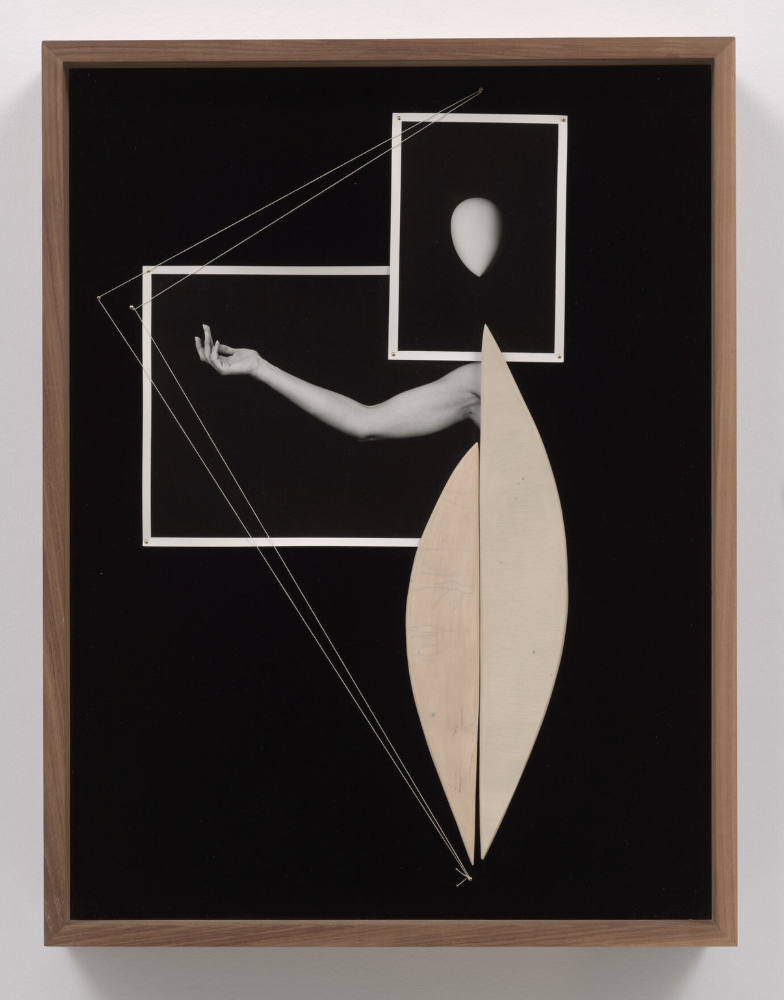
SHEREE HOVSEPIAN (b. 1974) is an Iranian-born American artist working in photography, collage, and sculpture. Foregrounding photography's materiality, she combines silver gelatin prints with found objects, string, and fabric. Based in New York; MFA, School of the Art Institute of Chicago.
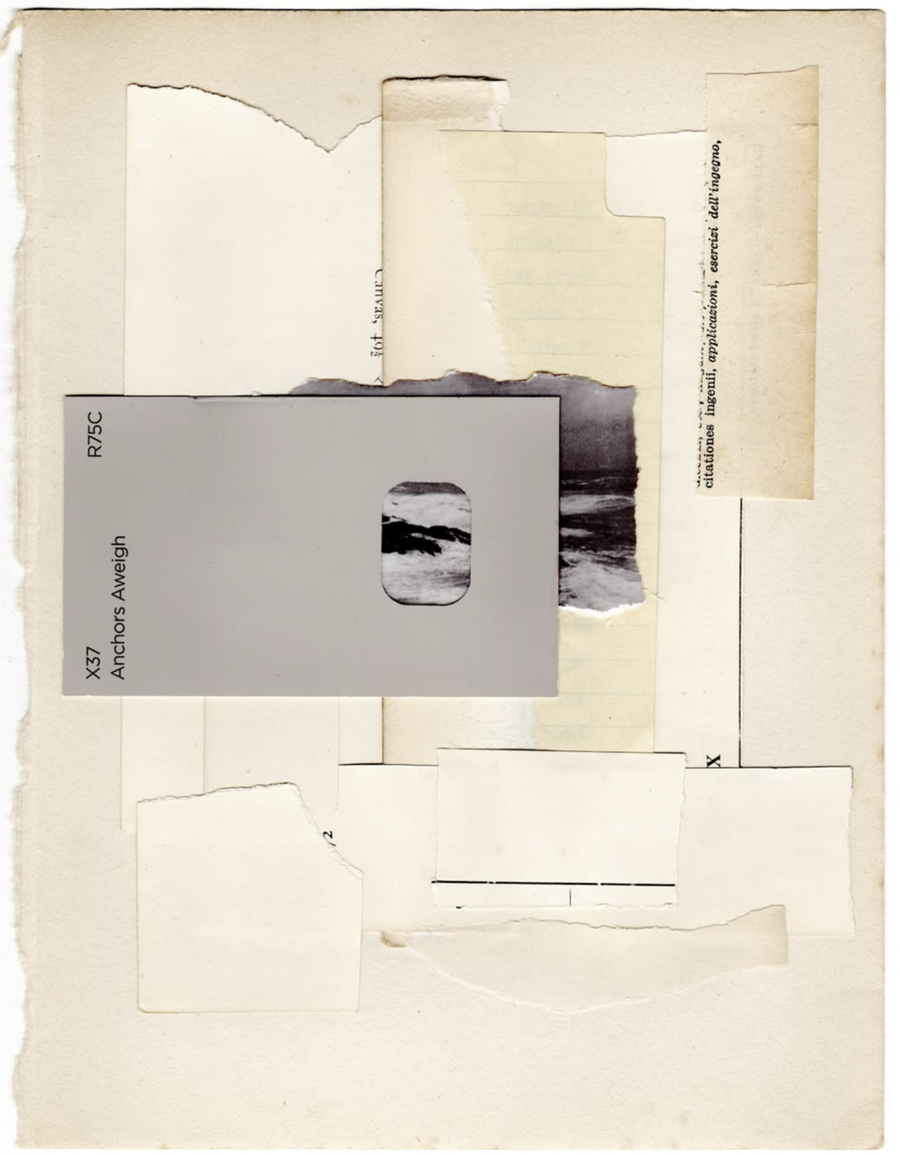
SARA ZINELLI is an Italian-born, London-based collage artist and photographer. Rooted in analogue darkroom practice, she combines personal photographs, hand-painted papers, vintage materials, and pressed flowers to explore memory, fragility, and vulnerability.
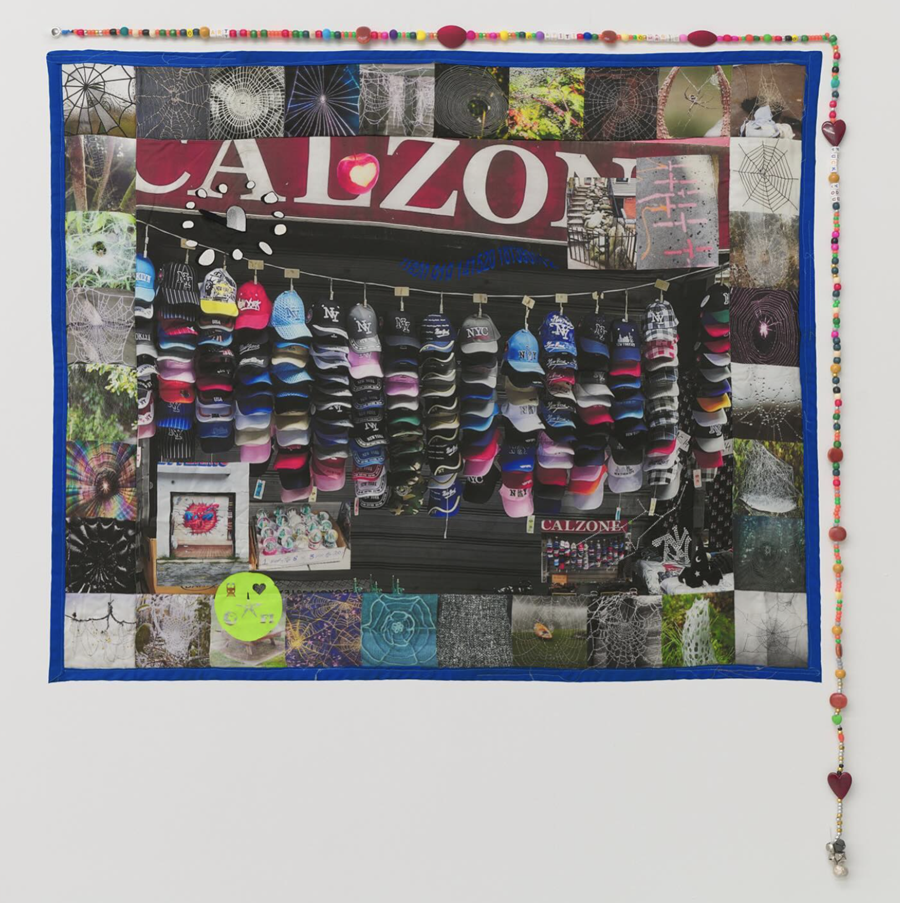
FAITH ICECOLD (b. 1989, New York) is a Queens-based multidisciplinary craftsperson, multimedia artist, and painter who often describes their practice as originating from "planet Earth".
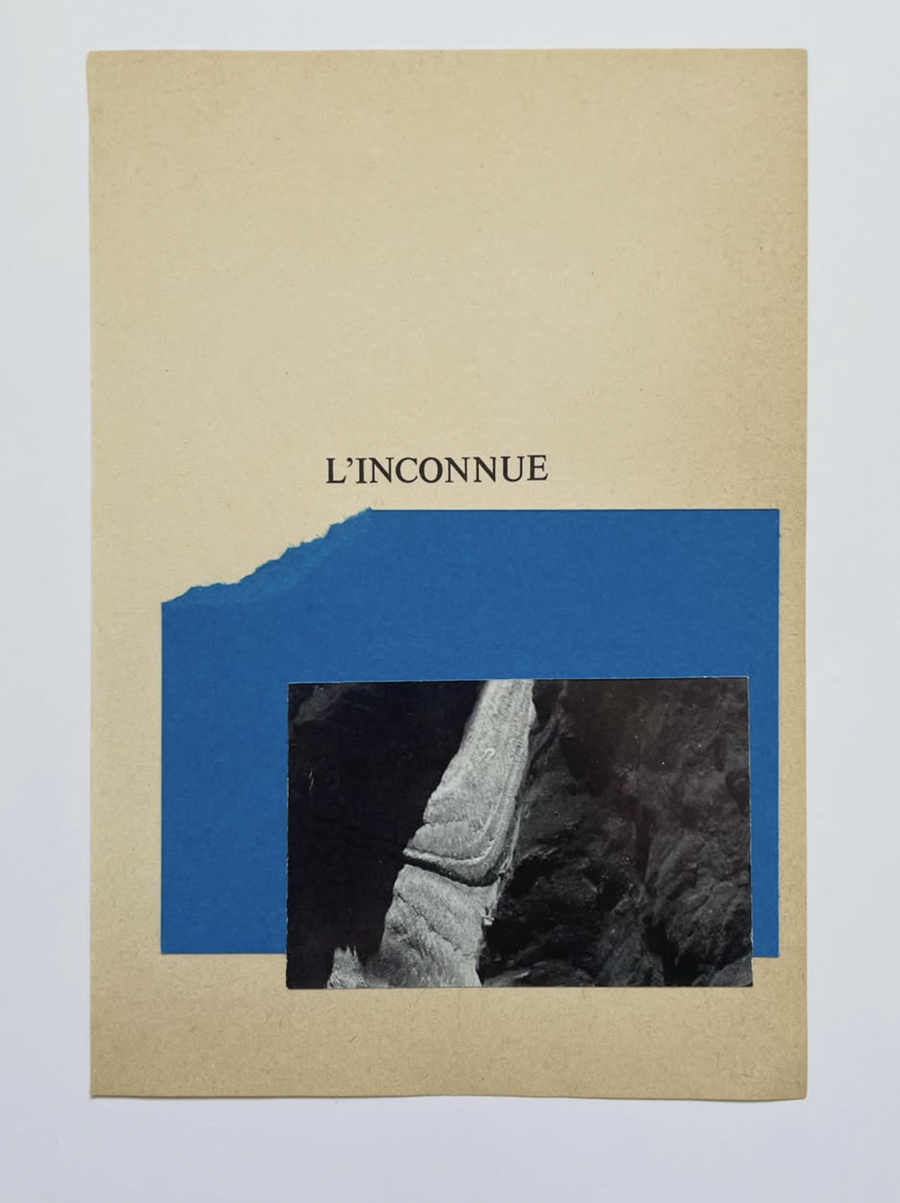
FRANCE AUDA is a French multidisciplinary and plastic artist who creates abstract works primarily using found or salvaged materials
Out and About
What to watch, read, and experience, as curated by the Collé team.
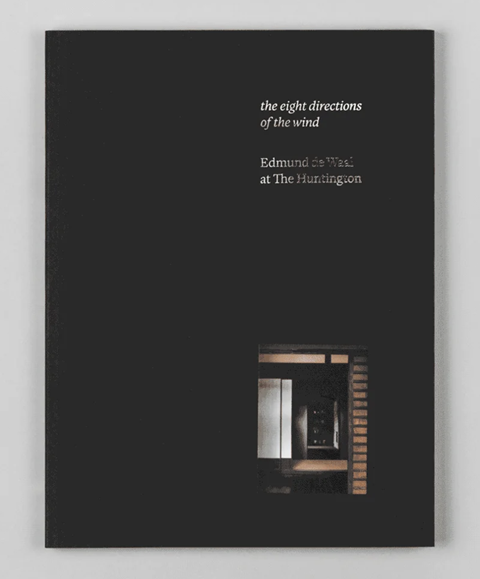
▼ READ
the eight directions of the wind: Edmund de Waal at The Huntington
British artist and writer Edmund de Waal creates porcelain installations in historic spaces. At The Huntington, his interventions across the Chinese and Japanese Gardens and Art Gallery explore migration, exile, and sanctuary. The catalogue includes a conversation with Josh Kun and exile poems. Published by Inventory Press.
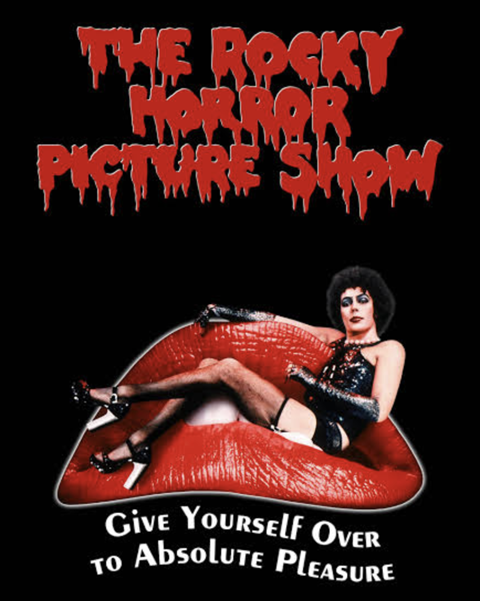
▼ WATCH
The Queer History of the Rocky Horror Picture Show by Polyphonic
Tim Curry passed away last week: so of course we are doing what one does, we are revisiting Rocky Horror Picture Show.
▼ LISTEN
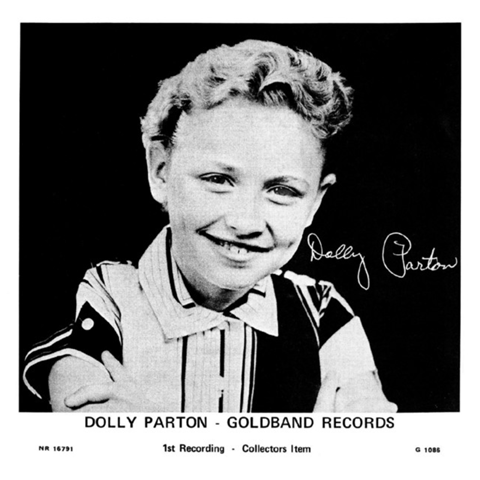
Puppy Love by Dolly Parton
Dolly Parton also passed away last week. It only feels natural to honor her music this week. Parton released her first-ever single, Puppy Love, in 1959, through Goldband Records when she was only 13 years old.
