Found images from 1950s vintage magazines
Two fragments, 5 x 5 cm each
Adrián Peña
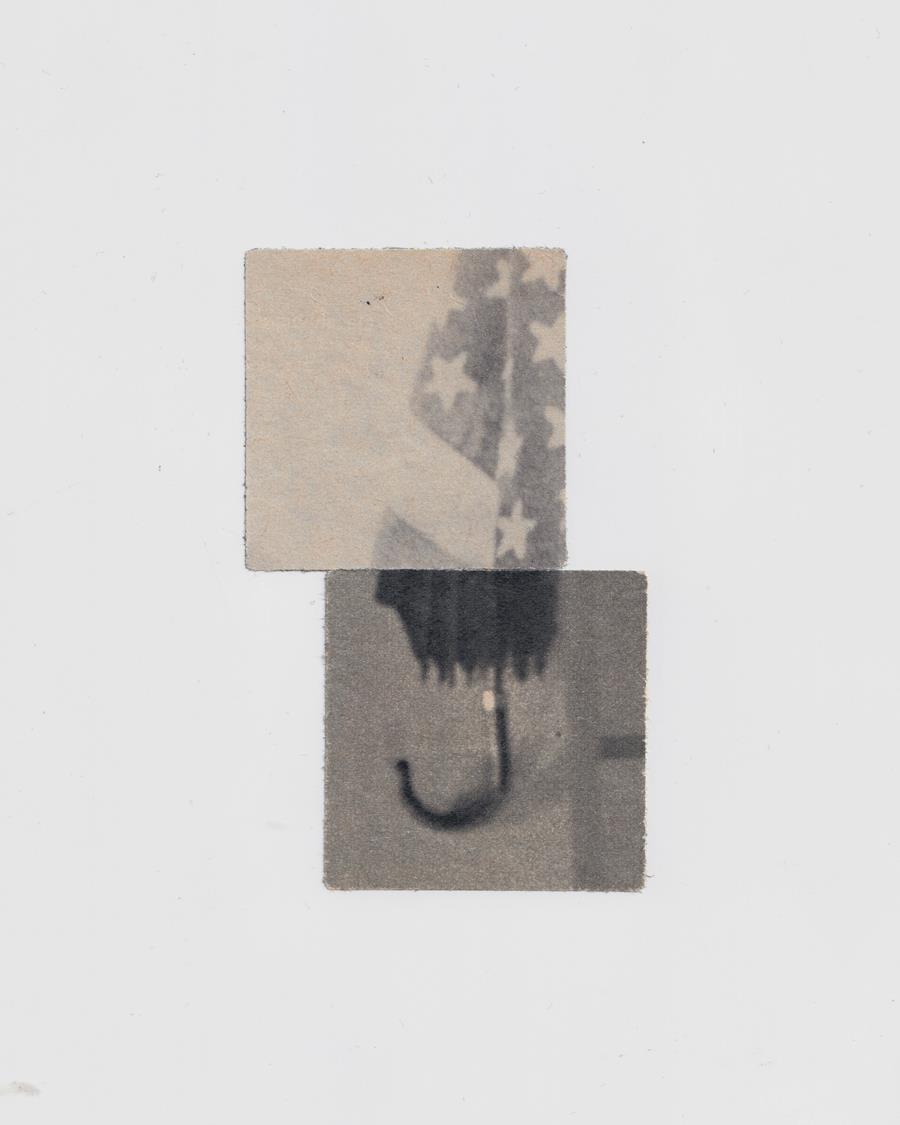
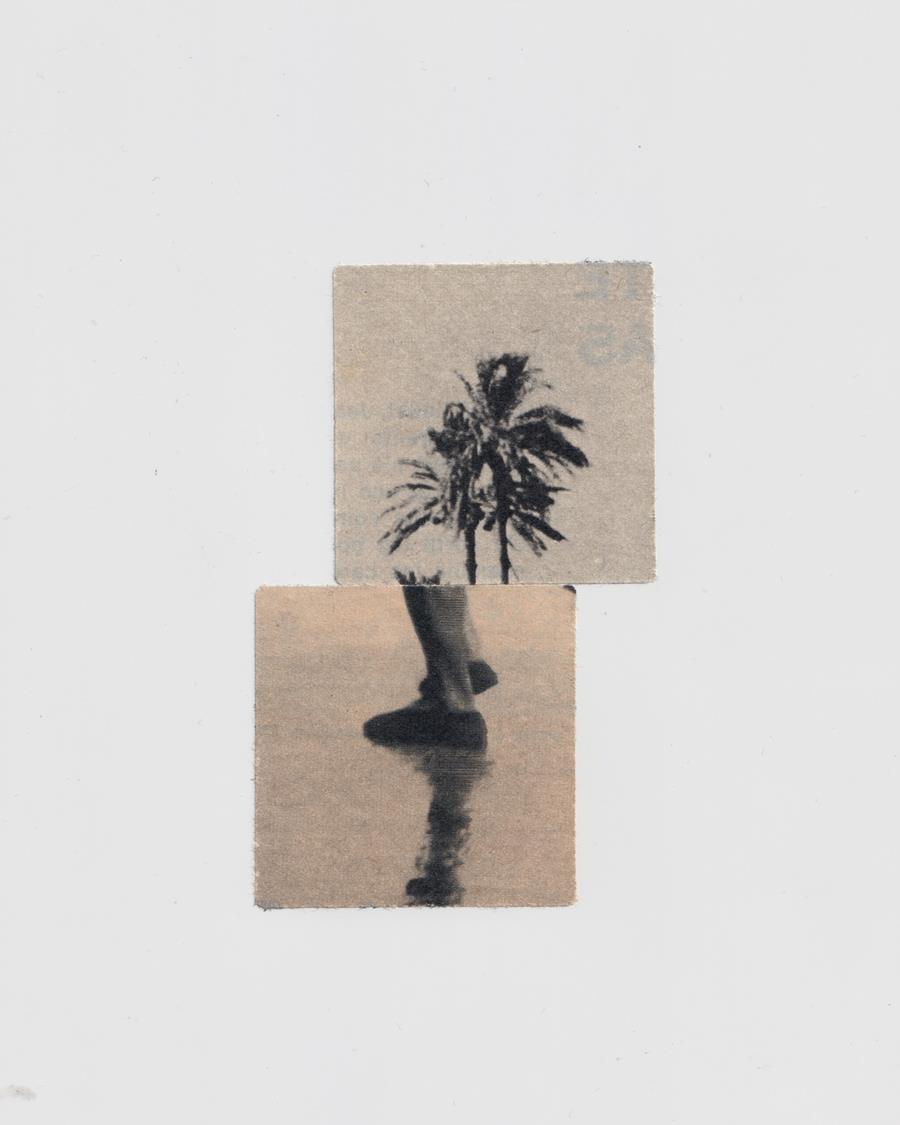
Adrián Peña works in pairs. A leg steps onto water and a palm tree grows out of it. A flag folds shut into an umbrella. Each square comes from a 1950s magazine, cut with a tool made for passport photos. The rest is proximity. Set two images close enough, and they start to look related.
In the Words of the Artist

Found images from 1950s vintage magazines
Two fragments, 5 x 5 cm each
For me, collage is a way of discovering something through images that already exist. Each fragment brings a previous life with it, but placing it beside another can change how both are seen. Something appears between them that neither image could produce alone.
I’m interested in that small shift: when something familiar becomes a little harder to place. I don’t need to fully understand it. Often, what makes me keep a pairing is the feeling that there’s still something in it I can’t quite explain.
Found images from 1950s vintage magazines
Two fragments, 5 x 5 cm each
It came from gradually reducing the work and asking what was really necessary for something to happen. Two fragments felt like the smallest gesture that could create a relationship. That became the basis of LINK: two found images, each measuring 5 × 5 cm, placed side by side.
The limits give me a clear place to work. The format stays the same, so small differences in gesture, texture, scale, or atmosphere become more noticeable. My background is in graphic design, where there is always another adjustment or version available. I enjoy the physical decisions involved in collage: choosing a fragment, cutting it, and committing to what remains.
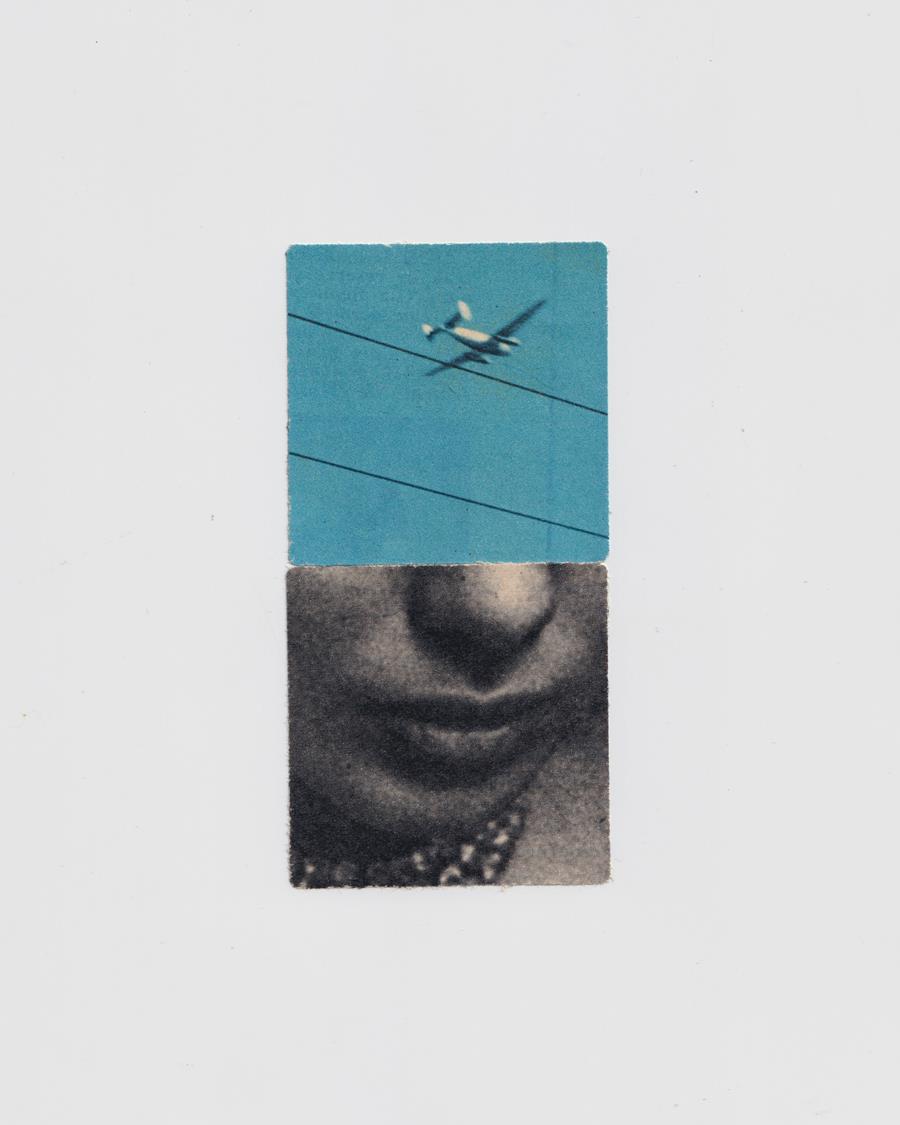
The size also comes from the tool I use, an old photo cutter made for passport or ID portraits. It cuts a precise 5 × 5 cm square. I like that a tool designed to frame someone’s identity has become part of a project in which I avoid recognizable faces.
Usually there’s an immediate connection, followed by something that makes me hesitate. A gesture or a shape might draw me in, but that alone isn’t enough. I need the pairing to keep opening up after that first recognition. Sometimes a fragment sits on my table for weeks without suggesting much. Then another image arrives beside it, and both begin to look different. That’s the part I find most interesting: how one image changes the other.
I tend to leave these pairings aside and return to them later. If they still hold my attention without settling into a single explanation, I’m more likely to keep them. The connection someone else sees may be completely different from mine, and I want there to be room for that.

Found images from 1950s vintage magazines
Two fragments, 5 x 5 cm each
Found images from 1950s vintage magazines
Two fragments, 5 x 5 cm each
I’m probably after an atmosphere, although I try not to decide too much in advance. Resemblance or tension can be a starting point, but I’m interested in where the encounter goes beyond that. Two ordinary images can produce something intimate, awkward, tender or slightly unsettling when they meet. Sometimes there’s humour in it, too. I like those feelings to overlap without becoming a clear story.
What I leave out matters as much as what I choose. I discard far more pairings than I keep. If the connection feels too obvious or too literal, I usually set it aside. I want the work to suggest something while leaving it unresolved.
I tend to work in pockets of creativity. I might spend an hour with the images, then step away and turn my attention to something else. I may return half an hour later, or leave everything until the following day. Those pauses are part of the process: they let the work breathe and help me see it with a little more distance.
Some sessions are simply about going through magazines, cutting fragments and adding them to my archive. I don’t need to know what I’ll use them for. At other times, I work with what has accumulated, moving images around and noticing possible encounters. A fragment I cut a month ago might suddenly find its place beside something I’ve just found.
There’s usually a cup of americano coffee nearby, and I’m often barefoot. Beyond that, I don’t have any fixed rituals, but returning is important. I need to see whether a pairing still holds something once the excitement of finding it has passed.
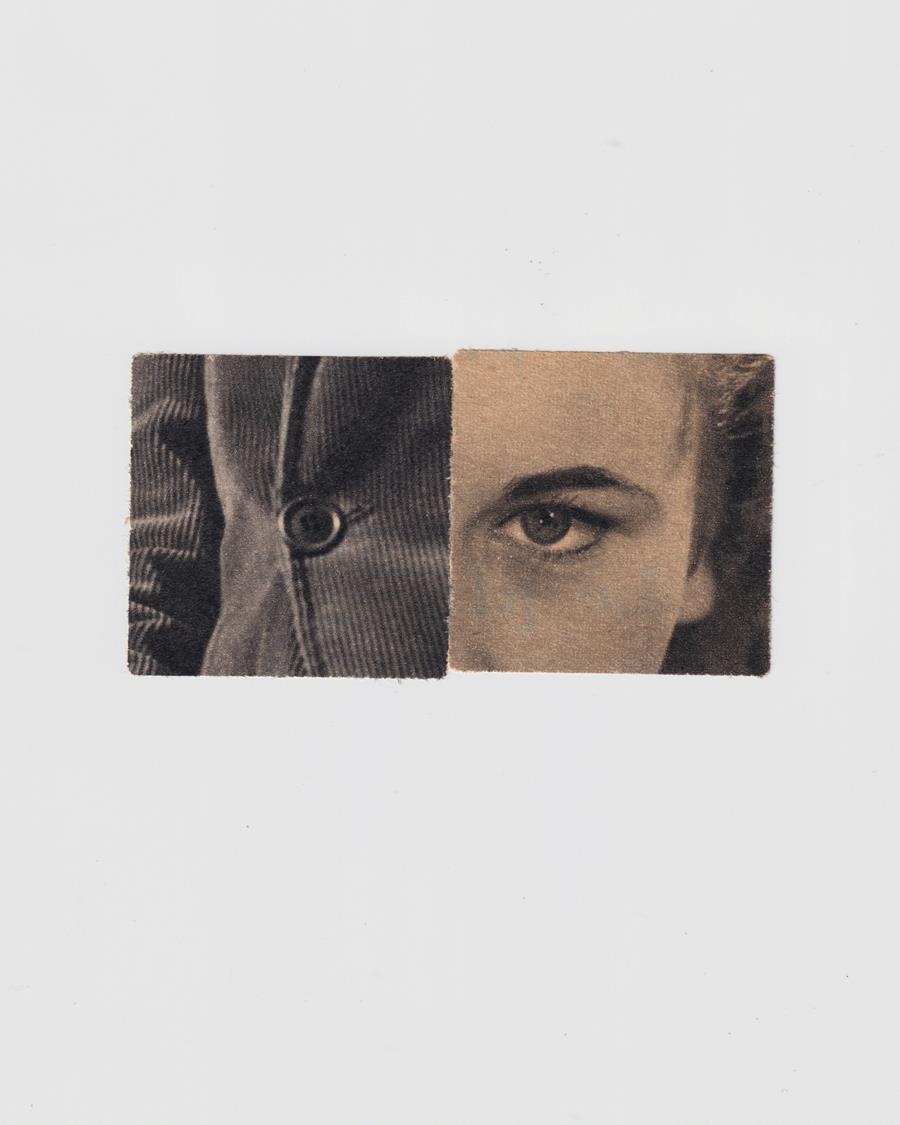
Found images from 1950s vintage magazines
Two fragments, 5 x 5 cm each
I don’t use AI to generate or alter the images in LINK. The work begins with finding physical material: old magazines, printed photographs, fragments that already have a history. The paper, the printing and the marks of age are part of what I respond to.
I also value having a limited amount of material in front of me. I can only work with what I find, including things I would never have thought to search for. That chance encounter is central to the project. I want the images to surprise me before I know what I might do with them.
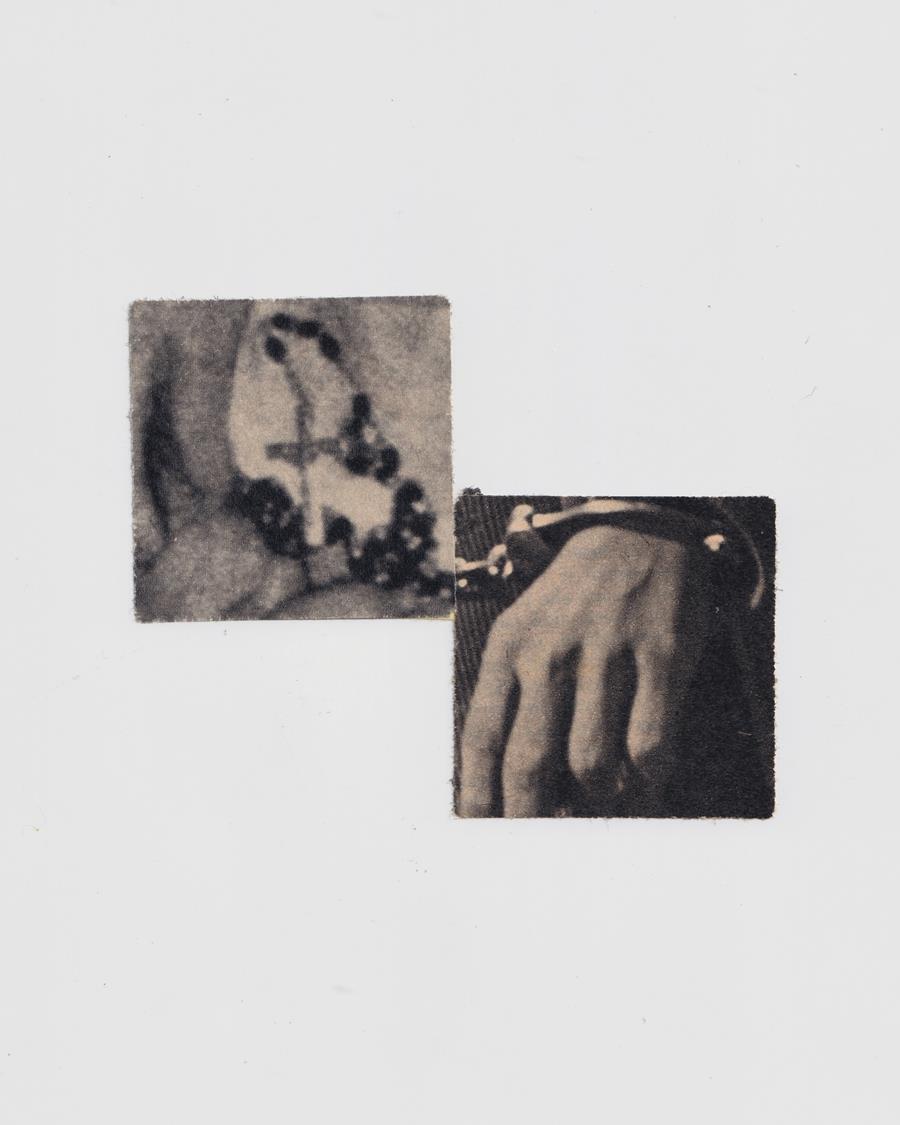
Found images from 1950s vintage magazines
Two fragments, 5 x 5 cm each

About the Artist
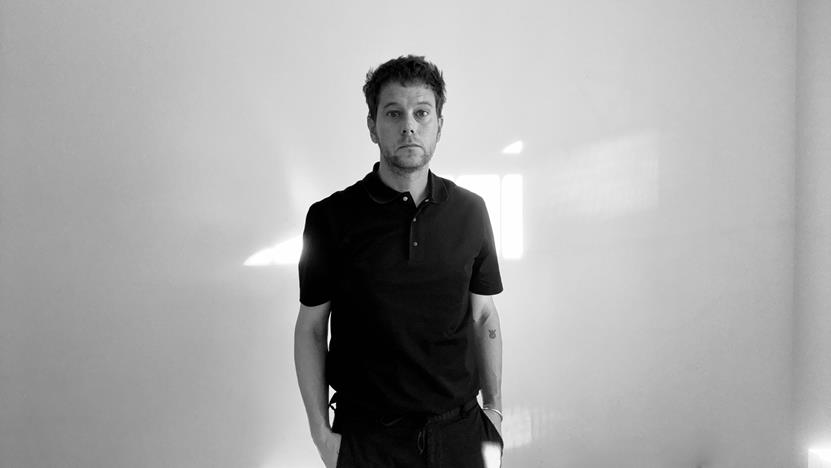
Adrián Peña (b. 1982, Edmonton, Canada) is a Spanish artist based in Cádiz, Spain. He studied Graphic Design at the University of Barcelona.
His ongoing project, LINK, brings together two found photographic fragments, each measuring 5 × 5 cm. Working with images from vintage magazines, Peña explores how a small shift in context can change the way an image is seen. Familiar gestures, objects and situations become intimate, ambiguous or slightly unsettling through their encounter.
His process involves collecting, cutting, arranging and returning to images over time, allowing connections to emerge without a predetermined narrative. The small scale invites close attention, while the relationship between the fragments remains open to interpretation.
Peña is represented by Grège Gallery.
For Your Viewing Pleasure
What to watch, read, and experience, as curated by the Collé team.
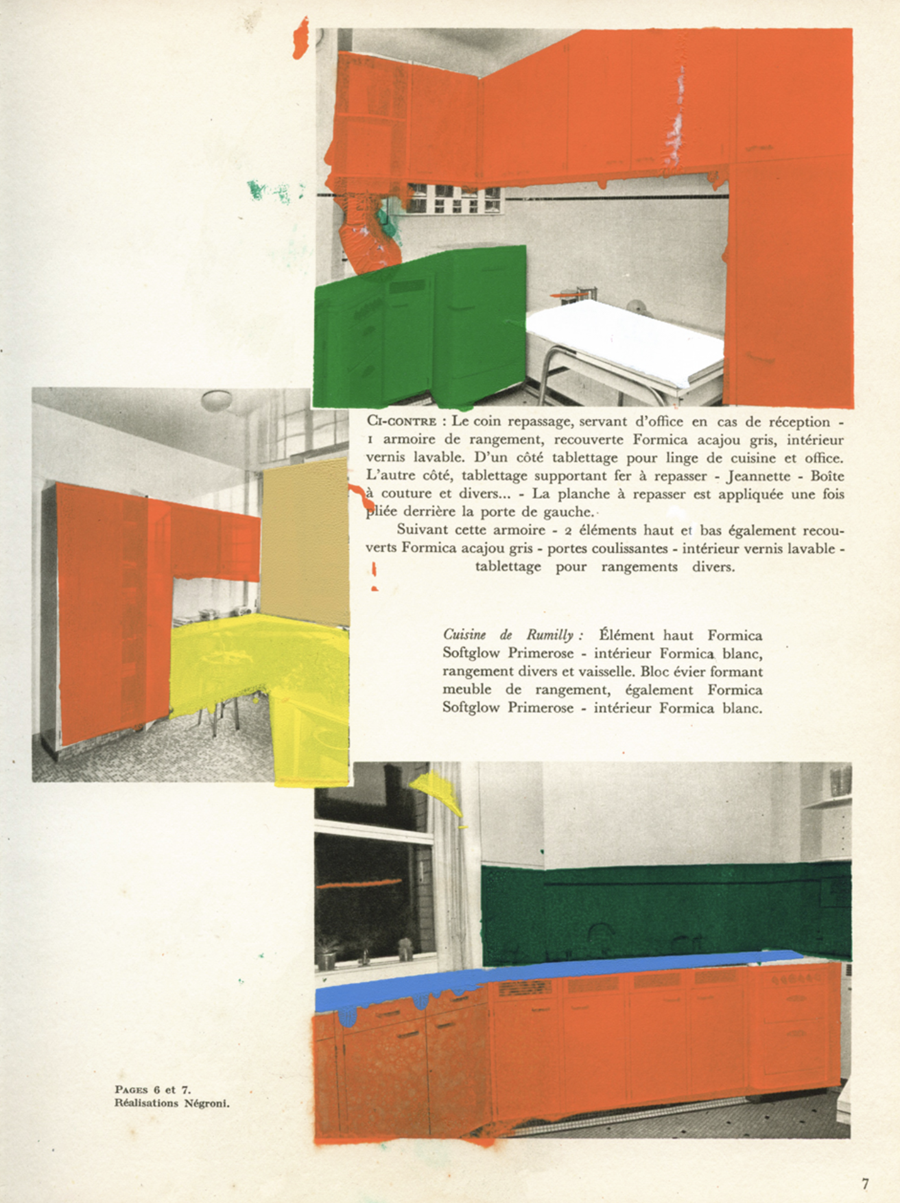
PRUDENCE DUDAN (b. 1985, Paris) works on paper, painting and collaging onto vintage books, photographs, and found pages. She also makes artist’s books, including The Importance of Dancing (2020).

RYA KIHLSTEDT is a self taught artist who plays with many mediums; collage, silk screen, ink, paint. Inspired by her grandmother, who she made art with from the time she was little, Rya works with magazines, paper, silk screen inks to create bold, dynamic, colorful and sometimes deceptively simple images to evoke an emotional response.

G.B. JONES and PAUL P. appropriate and reposition figurative images from queer history. Devoted to the act of archiving, as both a tool and a creative conceit, they have, over the past 18 years, assembled an oeuvre of collaborative cut-and-paste collages from their copious image banks. Jones and P. are interested in ungovernable sexualities and genders, and in the history of aesthetics forged by those who were compelled to communicate and represent themselves through innuendo and codes.

ALYSSA BARNES is a Providence-based art director, designer, and artist who blends sports, community, and fine art. She tears and layers mid-century photographs, halftone prints, and typography into compositions that feel simultaneously archival and newly arranged.

MAGALI REUS' works are subtly suggestive of familiar machines, appliances or objects whose function and identity remain intentionally ambiguous. Visual elements are reproduced, layered and repeated in works that are individually crafted using complex casting, moulding and CNC milling and metalwork techniques, pitting the aggressive emptiness of manufacture against the slow diligence of handiwork.
Out and About
What to watch, read, and experience, as curated by the Collé team.

▼ READ
Lorna Simpson Cuts Across Time
In this interview Simpson discusses how her layered paintings give her Black subjects a physical presence beyond US and European histories. By Zoë Hopkins on FRIEZE.

▼ VISIT
The Brockman Gallery: Los Angeles, 1967–1990 at LACMA
This is the first large-scale exhibition dedicated to the impact of the Brockman Gallery, founded in South L.A. by brothers Alonzo and Dale Brockman Davis in the wake of the Watts Rebellion. Their space became vital for young artists of color, nurturing the early careers of David Hammons, Suzanne Jackson, and Carrie Mae Weems, among others. Oct 18 – Jan 24, 2027.

▼ LISTEN
Feeling Fireworks! by Logan Hone
Exuberant instrumental music from Logan Hone and a shimmering group of deep collaborators from Los Angeles. Joy-forward saxophone, explosive improvisation, and full-bodied musical enthusiasm.
